Commercial Water Heater Maintenance Guide for Property Owners
Learn essential commercial water heater maintenance basics. Understand failure signs, diagnostic clues, preventative upkeep, and what affects repair costs.

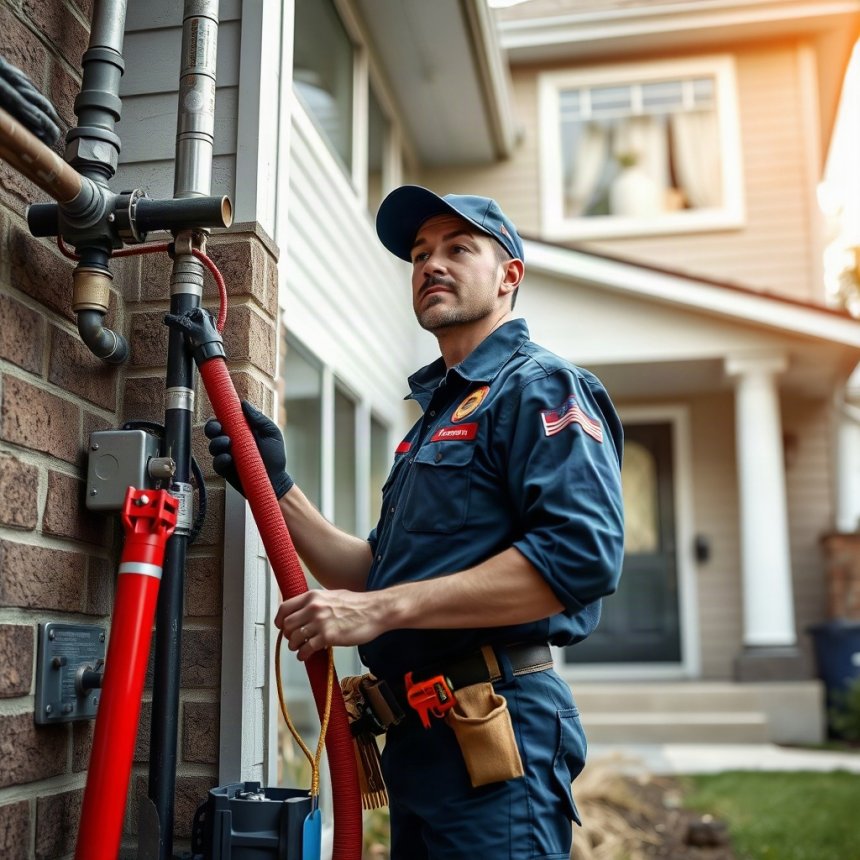
Understanding Commercial Water Heater Maintenance Basics
Commercial water heaters operate under vastly different demands than residential units. Whether supplying a bustling Miami restaurant kitchen, a multi-story office building, a local hotel, or a large retail facility, these systems must deliver continuous, reliable hot water under heavy, sustained loads. When a commercial water heater fails, it can disrupt business operations, halt food service compliance, or create tenant dissatisfaction almost immediately.
Proactive maintenance is the primary defense against unexpected downtime and premature equipment failure. Unlike residential units that cycle on and off for a single family, commercial tank and tankless systems experience continuous high-volume draws, mineral buildup from hard water, and aggressive thermal stress. Understanding what requires routine attention helps facility managers and commercial property owners catch minor component failures before they escalate into emergency replacements.
How Commercial Water Heater Systems Differ from Residential Units
Before establishing a maintenance schedule, it helps to understand the mechanical design differences. Commercial systems are built for high recovery rates and heavy usage. They often feature multiple heating elements, heavier-gauge tanks, advanced electronic control modules, or modular tankless setups designed to cascade water heating capacity.
Capacity and Recovery: Commercial units must heat massive volumes of water rapidly. A drop in recovery speed often indicates scaling on the heating elements or a failing burner assembly rather than a completely dead unit.
Multi-Unit Cascades: Many commercial properties utilize interconnected tankless arrays or multi-tank storage systems. If one unit fails, the remaining units shoulder the load, which can accelerate wear if not addressed quickly.
Code and Safety Controls: Commercial installations require stringent safety mechanisms, including dedicated mixing valves to prevent scalding, thermal expansion tanks, pressure relief valves, and heavy-duty gas or electrical disconnects.
Critical Maintenance Tasks for Commercial Water Heaters
Maintaining a commercial water heater requires a structured routine. Neglecting basic upkeep allows mineral scale, sediment, and corrosion to compromise the system from the inside out.
1. Routine Sediment Flushing
Minerals dissolved in water precipitate out when heated, settling at the bottom of the storage tank. In commercial properties with high daily water consumption, this sediment layer accumulates rapidly. A thick layer of sediment acts as a thermal barrier between the burner or lower heating element and the water, forcing the system to work harder and longer to reach the set temperature. This overheating weakens the tank walls and spikes energy bills. Regular tank flushing removes this debris before it hardens into a solid mass.
2. Anode Rod Inspection
Sacrificial anode rods protect the interior steel tank from corrosion by attracting corrosive elements in the water. In heavy-use commercial environments, these rods can deplete much faster than residential counterparts. Once an anode rod is fully consumed, the tank itself begins to rust. Annual inspections and timely replacements are essential to extending tank lifespan.
3. Temperature and Pressure (T&P) Relief Valve Testing
The T&P relief valve is a critical safety device designed to discharge water if internal pressure or temperature exceeds safe limits. Commercial systems undergo frequent pressure fluctuations due to rapid draw cycles. Manually lifting the test lever periodically ensures the valve is not stuck or scaled shut. A T&P valve that drips continuously indicates either excessive system pressure, thermal expansion issues, or a worn internal seal.
4. Checking Mixing Valves and Thermostats
Commercial water heaters are frequently set to higher temperatures (often above 140°F) to prevent bacterial growth and meet sanitization requirements, especially in food service applications. Thermostatic mixing valves blend this hot water with cold water before it reaches the taps to prevent scalding. If a mixing valve fails, occupants may experience sudden scalding water or unexpectedly lukewarm water, even though the water heater itself is functioning correctly.
Hidden Diagnostic Clues Facility Managers Should Watch For
Recognizing early warning signs prevents catastrophic tank ruptures or complete system lockouts. Facility maintenance teams should monitor specific operational clues:
Intermittent Temperature Fluctuations: If water runs warm rather than hot during peak hours, the system's recovery capacity is compromised, often due to heavy scaling or a malfunctioning heating element.
Unusual Rumbling or Popping Noises: Loud banging or rumbling sounds inside a tank style heater almost always point to trapped water boiling beneath a thick layer of sediment.
Discolored or Odorous Water: Rust-colored water suggests internal tank corrosion, while foul sulfur odors can indicate bacterial growth within the tank, requiring sanitization or anode rod replacement.
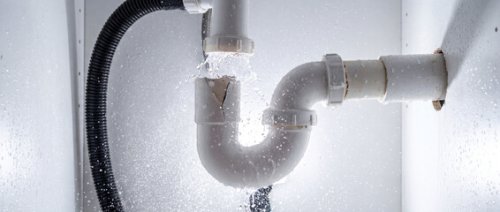
Moisture Around the Base: A damp floor near the unit should never be ignored. It may stem from a loose fitting, condensation, a failing gasket, or a minor micro-crack in the tank wall.
Factors That Influence Commercial Water Heater Service and Repair Costs
When commercial water heaters require professional service, repair expenses vary based on several operational and logistical factors. Understanding these variables helps property managers budget accurately:
Equipment Access and Location: Commercial units are often installed in tight utility closets, rooftop mechanical rooms, or suspended platforms. Difficult access requires additional labor time and specialized rigging equipment.
Fuel Source and Complexity: High-output gas burners, three-phase electrical systems, and commercial tankless manifolds require specialized diagnostic tools and licensed expertise compared to standard residential appliances.
Scope of Component Failure: Replacing an external thermostat, gas valve, or mixing valve is far more straightforward than replacing heating elements, manifold boards, or the entire storage vessel.
Emergency Versus Scheduled Service: Addressing a failing component during scheduled preventative maintenance is more cost-effective than calling an emergency technician after a complete system shutdown halts business operations.
When to Call a Professional Commercial Plumber
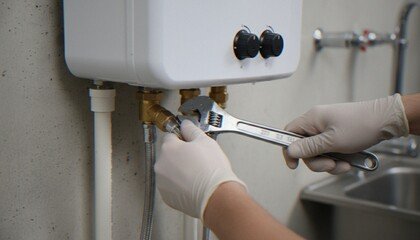
While facility staff can perform visual inspections and minor checks, major diagnostics and repairs require commercial plumbing expertise. Call a qualified professional immediately if you observe:
Continuous leakage from the tank body itself, which indicates structural failure.
Persistent electrical tripping or gas supply error codes that reset attempts cannot resolve.
Complete loss of hot water during peak operating hours.
Failure of the T&P relief valve to stop discharging water after activation.
Attempting DIY repairs on high-capacity gas or high-voltage electrical water heating systems poses severe safety risks, including electrical shock, gas leaks, and severe scalding hazards.
Frequently Asked Questions
How often should a commercial water heater be serviced?
Commercial water heaters generally require professional maintenance at least twice a year due to high usage volumes. Properties with exceptionally heavy hot water demands or hard water conditions may benefit from quarterly flushing and component checks.
What causes a commercial water heater to make popping noises?
Popping or rumbling noises are caused by sediment accumulation at the bottom of the tank. Water becomes trapped beneath the mineral layer and boils, creating steam bubbles that burst upward, causing the tank to vibrate and make noise.
Why is water temperature inconsistent during peak business hours?
Inconsistent temperatures usually indicate that the water heater cannot keep pace with demand. This is commonly caused by severe scale buildup on heating elements, failing gas burners, or a mixing valve that is failing to regulate outflow properly.
Is routine flushing enough to prevent commercial water heater failure?
While flushing removes sediment and extends tank life, it does not address electrical components, gas valves, anode rods, safety switches, or mixing valves. A comprehensive maintenance plan must include testing all safety and operational controls.
What is the typical lifespan of a commercial water heater?
With rigorous preventative maintenance, commercial water heaters generally last between 7 to 10 years. However, heavy usage, poor water quality, and deferred maintenance can significantly shorten this lifespan.
Conclusion
Maintaining a commercial water heater protects business continuity, ensures regulatory compliance, and avoids costly emergency replacements. By implementing a proactive schedule of flushing, anode rod inspections, and control checks, property managers can maximize equipment efficiency and reliability.