Commercial Sewer Repair in Miami FL: Signs, Diagnosis & Fixes
Learn what causes commercial sewer failures in Miami, how inspections work, what factors affect repair costs, and when to call a professional.

Understanding Commercial Sewer Line Failures
Commercial sewer lines endure heavy daily use, handling wastewater from multiple restrooms, commercial kitchen grease, and multi-story drainage demands. When a commercial sewer line fails, the disruption can force a business to close temporarily, create health code violations, and cause costly property damage. Recognizing the early warning signs of a failing commercial sewer system helps property owners and facility managers intervene before a complete structural collapse or catastrophic backup occurs.
Unlike residential systems, commercial sewer networks often run underneath thick concrete slab foundations, parking structures, or bustling retail spaces. This makes diagnosis and repair more complex, requiring specialized equipment and precise engineering knowledge. Understanding how these systems fail, what diagnostic methods reveal, and how repairs are executed can prevent unnecessary downtime and spiraling costs.
Early Warning Signs of Commercial Sewer Trouble
Commercial sewer pipes rarely fail without warning. However, because businesses deal with constant water flow, symptoms can develop gradually or mimic isolated fixture clogs. Property managers should monitor for specific patterns that indicate a main sewer line issue rather than a simple fixture blockage:
- Simultaneous backups: If toilets, floor drains, and sinks begin backing up at the same time, the restriction is almost always located in the main sewer line or building drain, not in individual branch lines.
- Foul sewer odors: Persistent sulfur or sewage smells inside the building, particularly near floor drains or lower-level restrooms, often signal a cracked, vented, or heavily scaled sewer pipe.
- Slow-draining fixtures throughout the building: When multiple plumbing fixtures drain sluggishly despite local plunging or snaking, wastewater is struggling to escape the primary drainage trunk.
- Unexplained pooling water or wet spots outdoors: Lush, green patches of grass, sinkholes, or damp soil near the building's exterior sewer exit point often point to an underground pipe break or joint separation.
- Gurgling sounds in toilets or floor drains: Trapped air pushed through the drainage system by a partial blockage creates distinct bubbling or gurgling noises when other fixtures are discharged.
Why Commercial Sewer Lines Fail in Miami Properties
Commercial plumbing systems face unique environmental and structural pressures. In the Miami-Dade area, high water tables, shifting soils, and aggressive tropical weather can accelerate pipe degradation. Heavy seasonal rainfall also inundates municipal stormwater and sanitary networks, increasing hydraulic pressure on commercial sewer connections.
Age and material selection play major roles in pipe longevity. Many older commercial properties in Miami feature cast iron or clay sewer piping. Over decades, cast iron interior walls corrode, scale, and pit, creating rough surfaces that trap solid waste and grease. Clay pipes are vulnerable to root intrusion from large tropical trees and palms seeking moisture, leading to structural cracking and joint displacement. Additionally, commercial kitchens that lack properly sized or maintained grease interceptors frequently suffer from hardened grease blockages that choke sewer lines from the inside out.
Hidden Diagnostic Insights: What a Camera Inspection Reveals
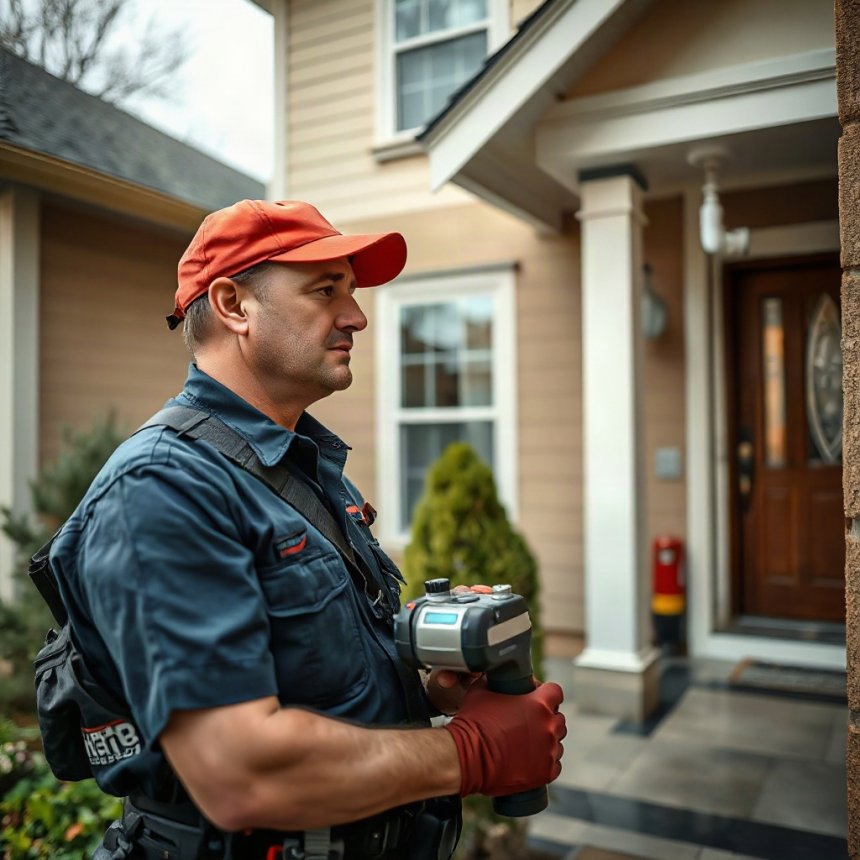
When investigating commercial sewer issues, professional plumbers rely heavily on closed-circuit sewer camera inspections. A high-resolution camera pushed through the cleanout provides a real-time visual assessment of the pipe interior. However, property owners should understand both the power and the limitations of camera diagnostics.
A camera inspection clearly identifies structural cracks, offset joints, root infiltration, heavy scale buildup, standing water pockets (bellies), and collapsed sections. It confirms the exact distance and depth of the damage, allowing for targeted repairs rather than guesswork. However, a camera cannot always determine the exact structural wall thickness of a corroded pipe, nor can it locate minor micro-fractures hidden beneath heavy sludge until the line is thoroughly hydro-jetted or cleaned. Furthermore, a camera cannot predict future soil movement that might displace a repaired section later.
Commercial Sewer Repair Options
Once a commercial sewer defect is diagnosed, several repair and rehabilitation methods may be available depending on the severity of the damage, pipe material, and surface accessibility.
1. Hydro Jetting and Mechanical Cleaning
If the sewer line is structurally intact but compromised by heavy scale, grease buildup, or root masses, high-pressure hydro jetting restores full internal diameter. Water pressurized up to 4,000 PSI scours pipe walls clean, removing obstructions that standard drain snakes leave behind.
2. Trenchless Pipe Lining (CIPP)
Cured-in-place pipe (CIPP) lining allows plumbers to rehabilitate damaged sewer lines without excavating concrete floors, driveways, or landscaping. An epoxy-saturated liner is pulled or inverted into the existing pipe and inflated, curing in place to form a seamless, structural new pipe within the old one. This method minimizes business disruption, though the pipe must be relatively clean and free of severe collapses for the liner to pass through.
3. Spot Repair and Traditional Excavation
When a section of pipe has completely collapsed, sagged into a severe belly, or suffered a major structural break, trenchless methods may not suffice. Traditional excavation involves cutting through concrete slabs or digging exterior trenches to replace the damaged pipe section. While more disruptive, spot repairs or full replacements are sometimes the only permanent solution for severely degraded infrastructure.
Factors That Influence Commercial Sewer Repair Costs
Commercial sewer repair costs vary widely based on several operational and technical factors. Property owners should consider the following variables when evaluating contractor estimates:
- Depth and Location of the Pipe: Pipes buried deep beneath thick concrete slabs, reinforced foundations, or busy parking lots require specialized equipment and labor-intensive breaking and restoration.
- Method of Repair: Trenchless lining typically reduces labor and surface restoration costs compared to trenching and concrete replacement, though the specialized materials carry their own costs.
- Extent of Damage: Spot repairs covering a few feet of pipe cost significantly less than a total sewer line replacement spanning an entire commercial footprint.
- Accessibility and Business Hours: Repair work required during off-hours, overnight, or weekends to prevent business interruption often incurs higher labor rates.
- Permitting and Compliance: Commercial repairs usually require local municipal permits, engineering sign-offs, and compliance updates, which affect the overall project scope.
Questions to Ask Before Approving Major Commercial Plumbing Work
Before authorizing substantial commercial sewer repairs or replacement, facility managers and property owners should ask qualified plumbing contractors targeted questions to ensure transparency and accountability:
- Did you perform a complete video camera inspection, and can you provide digital footage of the defect?
- Is trenchless pipe lining a viable option for this specific pipe material and damage type, or is excavation required?
- Does the repair estimate include surface restoration, such as concrete patching and asphalt repaving?
- What permits are required by local municipal building departments, and will your team handle the permitting process?
- What warranty does your company offer on both the materials used and the labor performed?
Frequently Asked Questions
How can I tell if a sewer problem is my business's responsibility or the city's?
Generally, property owners are responsible for the entire lateral sewer line running from the building out to the municipal connection point at the property line or easement. If the blockage or break occurs on private property, it is the owner's responsibility. If the issue lies within the public main in the street, the local utility provider is typically responsible.
Can commercial hydro jetting damage older pipes?
Yes. If a commercial sewer pipe is severely corroded, thin-walled, or structurally compromised by age, high-pressure water jetting can puncture or collapse it. A professional plumber should always perform a camera inspection first to assess pipe condition before selecting the appropriate cleaning pressure.
How long does trenchless pipe lining take for a commercial building?
Most commercial CIPP lining projects can be completed within one to three days, depending on the length of the run and site accessibility. This is significantly faster than traditional excavation, which can disrupt business operations for weeks.
What causes recurring grease clogs in restaurant sewer lines?
Restaurants generate high volumes of fats, oils, and grease (FOG). If grease traps are undersized, neglected, or improperly maintained, FOG escapes into the main sewer line, cools, solidifies, and coats the interior pipe walls, gradually choking off wastewater flow.
Why do commercial floor drains keep backing up during heavy rainstorms?
If floor drains back up exclusively during heavy downpours, the building's sanitary sewer system may be tied into a municipal storm drainage network, or stormwater may be infiltrating private sewer cleanouts and lateral lines, overloading the system's hydraulic capacity.