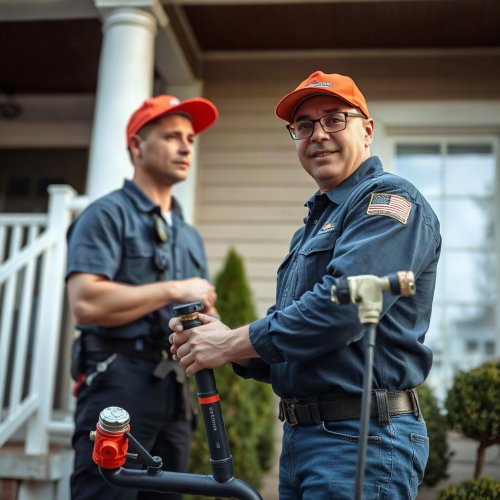
Commercial Sewer Backup Problems in Miami: Causes & Diagnosis
Understand commercial sewer backup problems in Miami, common causes, diagnostic clues, building impacts, and when to call a professional plumber.

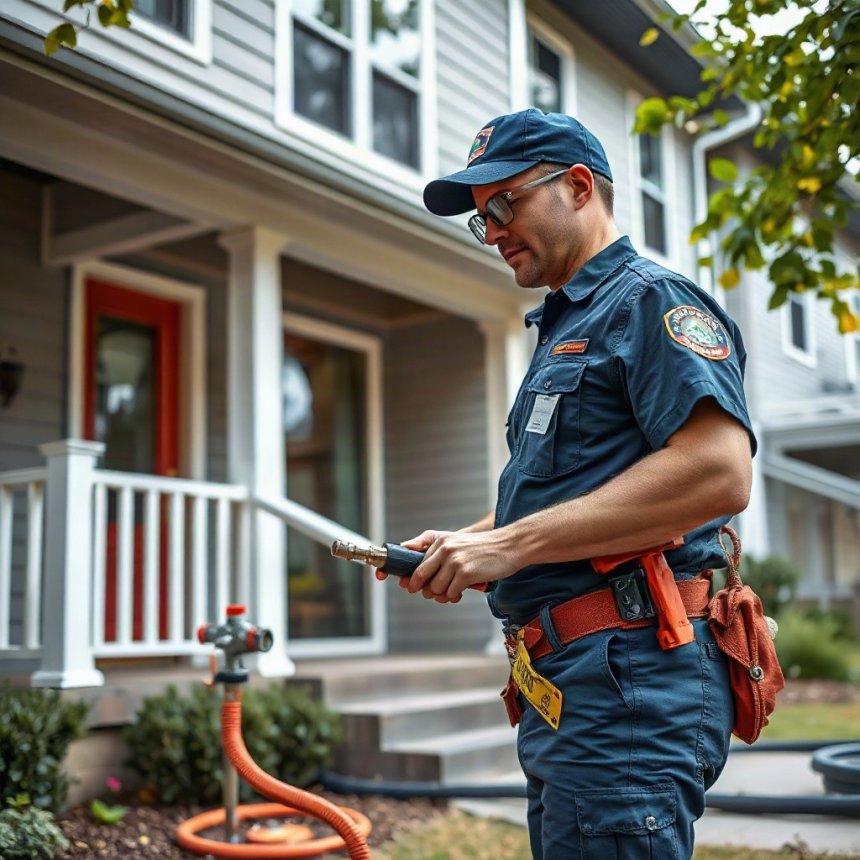
Understanding Commercial Sewer Backup Problems in Miami
A commercial sewer backup is one of the most disruptive events a business, restaurant, or property manager can experience. When wastewater stops flowing away from a building and begins pushing upward through floor drains, toilets, or commercial sinks, normal operations grind to a halt. In commercial settings, a sewer backup is rarely just an inconvenience; it presents immediate health risks, potential regulatory violations, and significant property damage.
Property owners and managers dealing with commercial sewer backups need to look past the immediate mess and understand the mechanics of the failure. In the Miami-Dade commercial sector, aging infrastructure, heavy tropical rainfall, grease accumulation, and high-volume usage create unique stress on drainage networks. Diagnosing whether a backup originates from an individual fixture, a shared internal branch line, or the main building sewer lateral determines the appropriate response and prevents recurring failures.
How Commercial Drainage Systems Differ from Residential Networks
Commercial plumbing systems handle volumes of water and waste that far exceed typical residential loads. Restaurants, retail plazas, office buildings, and multi-tenant commercial spaces rely on extensive network layouts with multiple drain stacks, grease interceptors, floor sinks, and long horizontal runs.
Because commercial buildings often feature slab-on-grade construction or complex multi-level plumbing configurations, pipe routing is less forgiving of structural flaws or shifting foundations. A minor restriction in a residential line might only affect a single bathroom, but a restriction in a commercial main line quickly threatens every fixture on the lower levels.
Primary Causes of Commercial Sewer Line Failures
Pinpointing the exact cause of a commercial sewer backup requires analyzing the nature of the waste and the condition of the piping network. Several common culprits are responsible for most commercial sewer blockages:
Grease and Fat Accumulation: In food service establishments and restaurants, cooking fats, oils, and greases (FOG) cool and solidify inside drain lines. Over time, grease coats the interior walls of the pipe, narrowing the diameter until solid waste catches and creates a complete blockage.
Foreign Objects and Non-Disflushables: Commercial restrooms—especially in high-traffic retail centers, entertainment venues, and hospitality businesses—frequently experience clogs caused by paper towels, wipes, feminine products, and trash flushed down toilets.
Structural Pipe Damage and Bellly Formation: Soil shifting, heavy traffic overhead, or aging cast iron and PVC pipes can cause structural cracks, collapses, or pipe sagging (known as a belly). A belly creates a low spot where standing water and solids accumulate.
Tree Root Intrusion: Mature trees and landscaping around commercial properties can send roots searching for moisture through microscopic cracks or joints in exterior sewer lateral lines.
The Impact of Miami Climate and Weather on Commercial Sewers
Miami's subtropical climate introduces specific operational challenges for commercial sewer systems. Heavy tropical downpours and severe seasonal storms put immense pressure on municipal and private drainage networks. When stormwater overwhelms municipal sewer mains, the system can experience surcharge conditions where water pushes backward into private service laterals.
Furthermore, high ambient temperatures combined with high organic loading inside restaurant and commercial kitchen lines accelerate the breakdown of waste and the release of corrosive hydrogen sulfide gas. This gas attacks the crown of older cast iron pipes common in many established commercial districts, leading to internal pitting, scaling, and eventual structural failure.
Diagnostic Clues: What Different Symptoms Reveal
The specific behavior of a sewer backup provides vital clues regarding the location and severity of the problem:
Single Fixture vs. Multiple Fixtures: If only one toilet or sink backs up while all other fixtures drain normally, the problem is usually isolated to the trap or branch line serving that specific fixture. If multiple toilets, floor drains, and sinks back up simultaneously, the obstruction is located further downstream in the main building drain or sewer lateral.
Gurgling Sounds: When draining water produces a distinct gurgling sound in distant fixtures, it indicates that air is being trapped and forced through the system due to a partial downstream blockage or a compromised venting network.
Floor Drain Eruption: Low-lying floor drains are typically the lowest points in a commercial building plumbing system. When a main sewer line clogs, incoming wastewater from upper floors or adjacent fixtures naturally escapes through these floor drains first.
Safe Initial Actions for Property Managers
When a commercial sewer backup occurs, minimizing health hazards and property damage is the immediate priority. Property managers and business owners should take these initial steps:
Cease Water Usage Immediately: Instruct all staff, tenants, or customers to stop using sinks, toilets, and water-using equipment. Adding more water to an already blocked system will only accelerate the overflow.
Isolate Affected Areas: Restrict access to restrooms, kitchens, or rooms where wastewater is surfacing to prevent slip-and-fall accidents and contamination spread.
Document the Conditions: Take clear photographs and video of the backup and any resulting property damage before cleanup begins, as this documentation may be required for insurance claims.
Avoid Chemical Drain Cleaners: Pouring harsh chemical drain openers down commercial drains is strongly discouraged. These chemicals rarely dissolve severe commercial blockages, and if the chemicals remain trapped in standing water, they present severe splash hazards for staff or maintenance personnel attempting mechanical clearing.
Professional Diagnostic and Repair Options
Resolving a commercial sewer backup permanently requires specialized equipment and professional diagnosis.
Sewer Camera Inspection: A high-resolution waterproof camera is pushed through the sewer line to visually inspect the interior condition of the pipe. This reveals the exact nature of the blockage, structural cracks, root intrusion, or pipe slope issues without unnecessary exploratory digging.
Hydro Jetting: For heavy grease accumulation, mineral scale, and stubborn sludge, high-pressure water jetting scours the interior pipe walls clean, restoring the full diameter of the pipe far more effectively than traditional snaking.
Mechanical Snaking and Augering: Heavy-duty motorized cable machines with specialized cutting heads are used to break apart root masses, hard obstructions, and compacted debris.
Trenchless Repair or Spot Repair: When structural damage is identified via camera inspection, trenchless pipe lining or localized excavation may be employed to repair damaged sections without tearing up entire concrete commercial slabs or parking lots.
Factors Affecting Commercial Plumbing Repair Costs
Because commercial plumbing scopes vary wildly, costs depend on several technical variables:
Accessibility: Whether the affected pipe is exposed in a utility room, buried beneath a thick concrete slab, located under a paved parking lot, or running deep underground changes the labor and equipment required.
Severity and Scope: A simple grease blockage cleared via hydro jetting involves different resource levels than replacing a collapsed cast iron sewer lateral beneath a commercial foundation.
Urgency and Timing: Emergency after-hours response or service coordinated around strict business operating hours to avoid customer disruption can influence project logistics.
Permitting and Compliance: Commercial repairs often require local municipal permits, grease trap compliance verifications, and inspections governed by building codes.
Frequently Asked Questions
Can heavy rain cause my commercial sewer line to back up?
Yes. Heavy tropical rainfall can infiltrate municipal sewer systems, creating hydraulic pressure that backs up water into private service laterals, especially if check valves or backwater valves are missing or malfunctioning.
Why do restaurant sewer lines clog repeatedly despite regular cleaning?
Repeated clogs usually indicate an underlying structural problem, such as an incorrect pipe slope (belly), severe interior corrosion in older cast iron lines, or an undersized grease interceptor that allows FOG to pass into the main drain.
Who is responsible for a commercial sewer backup in a multi-tenant building?
Responsibility generally depends on whether the blockage is caused by tenant misuse within a private unit or a failure in the building's shared main stack or exterior lateral. Property management, commercial leases, and condo association bylaws dictate specific responsibilities.
What is the difference between snaking and hydro jetting for commercial lines?
Snaking punches a temporary hole through a blockage to restore basic flow, whereas hydro jetting uses high-pressure water streams to wash away grease, scale, and buildup from the entire interior pipe circumference.
How can a sewer camera inspection prevent future emergencies?
A camera inspection provides a definitive look inside hidden pipes, allowing property managers to identify hairline cracks, root intrusion, or grease buildup before a total structural failure or catastrophic backup occurs.
What immediate health risks are associated with commercial sewer backups?
Raw sewage contains harmful bacteria, viruses, and pathogens. Exposure requires strict protective measures, restricted access, and professional sanitation to ensure a safe environment for employees and customers.