Miami Hurricane Plumbing Checklist: What to Check Before a Storm
Use this Miami hurricane plumbing checklist to prepare your pipes, drains, sewer lines, water heater, sump pump, and plumbing system before a storm.

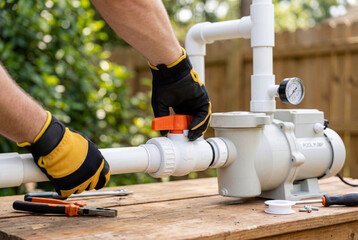
Miami Hurricane Plumbing Checklist: What to Check Before a Storm
Hurricane preparation in Miami usually focuses on windows, roofs, generators, and outdoor furniture, but your plumbing system also needs attention. Heavy rain, flooding, storm surge, power outages, and sewer system overload can create serious plumbing problems before, during, and after a hurricane.
A few preventive checks before a storm can help reduce the risk of burst pipes, sewer backups, water damage, and plumbing emergencies. Use this Miami hurricane plumbing checklist to prepare your home before severe weather arrives.
Check Your Main Water Shutoff Valve
Locate your home's main water shutoff valve before hurricane conditions develop.
Make sure:
- You know exactly where it is.
- The valve is accessible.
- It can be turned without excessive force.
- Everyone in the household knows how to shut off the water.
- The valve is not blocked by storage or equipment.
If a pipe breaks during the storm, shutting off the main water supply can help prevent significant interior water damage.
If the valve is stuck or damaged, have a plumber repair it before hurricane season.
Inspect Exposed Plumbing Pipes
Walk through your home and inspect visible plumbing for signs of deterioration.
Look for:
- Corrosion
- Cracks
- Loose fittings
- Water stains
- Small leaks
- Damaged insulation
- Bulging or weakened pipe sections
Pay special attention to pipes located near exterior walls, garages, utility rooms, and areas vulnerable to flooding.
A small leak may become much worse when normal water pressure returns after the storm.
Check Toilet Supply Lines and Valves
Toilet supply lines are relatively small components, but a failed connection can release a surprising amount of water.
Inspect each toilet for:
- Leaking supply lines
- Loose connections
- Corroded shutoff valves
- Water around the base
- Cracked components
Replace worn supply lines and faulty valves before the storm instead of waiting for a failure.
Inspect Your Water Heater
Your water heater should be checked before hurricane season, especially if it is located in a garage, utility room, or low-lying area.
Look for:
- Rust
- Corrosion
- Leaking connections
- Water around the tank
- Damaged supply lines
- Problems with the shutoff valve
- Signs of previous flooding
If the water heater is located in an area vulnerable to flooding, ask a professional about appropriate protection.
Never attempt to operate a flood-damaged water heater until it has been properly inspected.
Test Your Sump Pump
A functioning sump pump can be extremely important during periods of heavy rainfall.
Before a storm, verify that:
- The pump turns on correctly.
- The float switch operates normally.
- Water is discharged away from the property.
- The discharge line is not blocked.
- The check valve is working.
- The backup battery is charged.
- The battery backup system works properly.
If your sump pump has no backup power, consider discussing backup options with a plumbing professional.
Clean Gutters and Downspouts
Gutters and downspouts help control rainwater around your home.
Before a hurricane:
- Remove leaves and debris.
- Clear downspout openings.
- Make sure water flows freely.
- Check for damaged gutters.
- Direct downspouts away from the foundation.
- Remove debris around exterior drainage areas.
Blocked gutters can contribute to water accumulation around your property during heavy rainfall.
Clear Exterior Drains
Inspect storm drains, yard drains, and other drainage areas around your property.
Remove leaves, branches, dirt, and other debris that could prevent water from draining properly.
Don't wait until heavy rain begins to discover that an exterior drain is blocked.
Protect Sewer Cleanouts
Make sure accessible sewer cleanouts are properly capped.
A damaged or missing cap can allow debris and water to enter the plumbing system.
If you notice a damaged cleanout or suspect a sewer line problem, arrange for professional inspection before the storm.
Consider Sewer Backflow Protection
Heavy rainfall can place significant pressure on sewer systems.
Depending on your property's location and plumbing configuration, a backwater valve or other backflow protection may help reduce the risk of wastewater entering the home.
A professional plumber can inspect your sewer connection and determine whether additional protection is appropriate.
Check Your Backflow Prevention Device
If your property already has a backflow prevention assembly, inspect it before hurricane season.
Look for obvious damage, leaks, or signs of deterioration.
Backflow prevention equipment should be properly maintained and tested according to applicable requirements.
For complex systems, have a qualified professional perform the inspection.
Inspect Outdoor Faucets
Exterior faucets and hose connections can be damaged by storms or debris.
Before the hurricane:
- Disconnect garden hoses.
- Check faucets for leaks.
- Repair damaged connections.
- Secure exposed components.
- Remove unnecessary attachments.
Don't leave loose hoses connected to outdoor faucets when high winds are expected.
Check Your Irrigation System
If your property has an irrigation system, inspect exposed components before the storm.
Look for damaged sprinkler heads, exposed pipes, leaking connections, and loose equipment.
If the system has an automatic controller, follow the manufacturer's recommendations for storm preparation.
Secure or remove components that could become loose during high winds.
Inspect Washing Machine Hoses
Washing machine hoses can fail unexpectedly, and hurricane preparation is a good opportunity to inspect them.
Check for:
- Cracks
- Bulges
- Corrosion
- Loose connections
- Signs of leaking
Replace deteriorated hoses before the storm.
Check Dishwasher and Refrigerator Water Lines
Inspect water lines connected to dishwashers, refrigerators, ice makers, and filtration systems.
Look for leaks, loose connections, or damaged tubing.
Small appliance supply lines can cause significant water damage if they fail while you're away from home during a storm.
Prepare an Emergency Water Supply
A hurricane can disrupt municipal water service or affect water pressure.
Prepare an adequate supply of safe drinking water for your household before the storm. Use clean, appropriate containers and follow local emergency recommendations.
Do not assume that normal water service will continue throughout a major hurricane.
Know When to Shut Off the Water
You don't necessarily need to shut off the home's water supply simply because a hurricane is approaching. However, every household should know when and how to shut it off.
If you discover a major plumbing leak, burst pipe, or other uncontrolled water flow, shutting off the main valve may help limit damage if it is safe to do so.
Follow local emergency instructions during severe flooding.
Protect Plumbing From Flooding
If your property is vulnerable to flooding, identify plumbing equipment located in low areas.
Potentially vulnerable equipment can include:
- Water heaters
- Sump pumps
- Water treatment equipment
- Electrical plumbing controls
- Sewer connections
- Exposed supply lines
Ask a professional about appropriate flood protection rather than attempting unsafe modifications immediately before a storm.
Avoid Chemical Drain Cleaners Before a Storm
If a drain is already slow, don't rely on large amounts of chemical drain cleaner as a hurricane preparation strategy.
A partially blocked drain could become a larger problem during heavy rainfall or sewer system stress.
Have persistent drainage problems professionally inspected before the storm.
Secure Loose Plumbing-Related Equipment
Strong winds can turn loose objects into projectiles.
Secure outdoor equipment, hoses, irrigation components, and other items that could damage exposed plumbing.
Move portable equipment to a protected location whenever possible.
Keep Emergency Plumbing Supplies Available
A basic emergency plumbing kit can be useful during a storm.
Consider keeping:
- Adjustable wrench
- Pliers
- Pipe repair tape
- Bucket
- Towels
- Work gloves
- Flashlight
- Replacement hose washers
- Basic shutoff tools
These supplies are not substitutes for professional repairs, but they can help with minor issues until professional assistance becomes available.
Take Photos Before the Storm
Before a major hurricane, photograph important plumbing equipment and vulnerable areas of your property.
Take pictures of:
- Water heater
- Main shutoff valve
- Sump pump
- Exposed pipes
- Sewer cleanouts
- Outdoor plumbing
- Irrigation equipment
Documenting the property's condition before a storm can be useful when assessing damage afterward and may help with insurance documentation.
Know What Not to Do During a Hurricane
Don't attempt major plumbing repairs while severe weather is active.
Avoid entering flooded areas where electrical hazards may exist. Don't attempt to operate electrical plumbing equipment that has been submerged.
If you experience a serious plumbing failure during the storm, prioritize personal safety and follow emergency instructions from local authorities.
Schedule a Pre-Storm Plumbing Inspection
If your home has older plumbing, previous water damage, recurring sewer problems, or drainage concerns, consider scheduling a professional inspection before hurricane season.
A plumber can check:
- Main water lines
- Sewer lines
- Drainage
- Shutoff valves
- Water heater
- Sump pump
- Backflow protection
- Exposed pipes
- Plumbing fixtures
- Outdoor plumbing
Finding a problem before a hurricane is much easier than dealing with an emergency when roads are flooded and plumbing services are in high demand.
Miami Hurricane Plumbing Checklist
-
Locate the main water shutoff valve.
-
Test the shutoff valve.
-
Inspect exposed pipes for leaks or damage.
-
Check toilet supply lines and valves.
-
Inspect the water heater.
-
Test the sump pump.
-
Check the sump pump backup system.
-
Clean gutters and downspouts.
-
Clear exterior drains.
-
Inspect sewer cleanouts.
-
Check backflow prevention equipment.
-
Inspect outdoor faucets.
-
Secure garden hoses and outdoor plumbing.
-
Check irrigation equipment.
-
Inspect washing machine hoses.
-
Check appliance water lines.
-
Prepare emergency drinking water.
-
Photograph plumbing equipment before the storm.
-
Keep basic plumbing supplies available.
-
Schedule professional repairs for existing problems.
Final Thoughts
Preparing your plumbing before a Miami hurricane can help reduce the risk of expensive water damage and plumbing emergencies. Start with the basics: know your main shutoff location, inspect pipes and fixtures, test your sump pump, protect sewer connections, clear drainage areas, and prepare emergency water.
Don't wait until a hurricane is approaching to repair a known leak or drainage problem. Taking care of plumbing issues ahead of time gives you a better chance of keeping your home protected when severe weather arrives