Commercial Water Heater Maintenance Basics & Care Guide
Learn essential commercial water heater maintenance steps, diagnostic clues for early failure, safety checks, and what impacts repair costs for properties.

Understanding Commercial Water Heater Systems
Commercial water heaters operate under entirely different demands than residential units. Whether supplying a bustling Miami restaurant, a multi-story office building, or a high-rise condominium complex, these systems endure continuous heavy cycling, high recovery demands, and relentless mineral exposure. Neglecting basic maintenance can lead to unexpected equipment failure, premature tank degradation, or sudden loss of hot water that brings business operations to a complete halt.
Understanding how commercial water heaters function, what warning signs matter, and which routine preventive steps keep them running efficiently helps property owners and facility managers avoid catastrophic equipment breakdowns. This guide outlines the core maintenance practices, operational insights, and diagnostic signs that every commercial property manager should know.
How Commercial Water Heaters Differ From Residential Units
Before diving into maintenance tasks, it helps to understand why commercial water heaters require specialized care. Unlike standard residential tank heaters, commercial systems often feature multiple heating elements, higher BTU gas burners, larger storage capacities, or tankless rack systems designed to handle simultaneous heavy water usage.
Higher Recovery Rates: Commercial units must heat massive volumes of water rapidly to keep up with peak demand periods.
Continuous Cycling: In commercial kitchens, hotels, or fitness facilities, systems may operate almost continuously throughout the day.
Complex Controls: Many commercial water heaters rely on sophisticated electronic control boards, heavy-duty thermostats, and multiple safety cutoff switches.
Because these units work harder, minor component failures can quickly cascade into major operational issues if left unaddressed.
Essential Commercial Water Heater Maintenance Tasks
A proactive maintenance routine extends equipment lifespan and ensures consistent water temperatures. While major repairs require qualified professional assistance, facility staff can perform or oversee several essential preventive steps.
1. Routine Flushing and Sediment Control
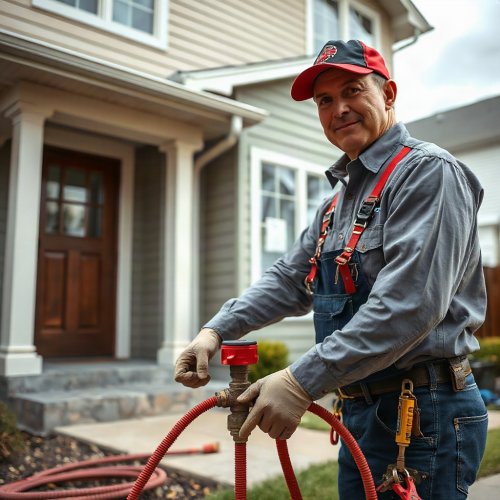
Sediment buildup is one of the leading causes of commercial water heater failure. As water is heated, minerals like calcium and magnesium precipitate out of solution and settle at the bottom of the tank. In areas with hard water, this accumulation happens rapidly.
Sediment acts as a thermal barrier between the burner or lower heating element and the water, forcing the system to work longer and harder to reach the target temperature. This extra strain leads to overheating, metal fatigue, and eventually tank failure or weeping tank seams. Flushing the tank semi-annually helps clear out loose sediment before it hardens into a dense scale layer.
2. Inspecting Anode Rods
Sacrificial anode rods are designed to corrode in place of the steel tank lining. In commercial settings where hot water turnover is high, these rods can deplete much faster than anticipated. Inspecting anode rods annually—and replacing them when the core wire is exposed or the rod is heavily pitted—prevents internal tank corrosion from eating through the vessel walls.
3. Testing Pressure Relief Valves
The Temperature and Pressure (T&P) relief valve is a critical safety device designed to discharge water if internal pressure or temperature exceeds safe limits. Testing the valve periodically ensures it opens and closes cleanly without leaking afterward. A stuck or scaled T&P valve can create a severe safety hazard under high-pressure conditions.
4. Checking Gas Burners and Venting
For gas-fired commercial units, burner assemblies must be inspected for proper combustion, clean flame patterns, and unobstructed venting. In humid coastal environments, salt air and high moisture can accelerate rust on burner trays and pilot assemblies, leading to ignition failure.
Hidden Diagnostic Insights for Commercial Systems
Recognizing subtle performance shifts can prevent emergency shutdowns. Keep these professional diagnostic insights in mind:
Intermittent Temperature Drops: If hot water runs out faster than usual, it may not mean the tank is failing. A single failed upper element in an electric commercial unit or a malfunctioning dip tube in a gas unit can drastically reduce usable hot water capacity.
Rumbling or Popping Noises: Loud rumbling sounds during a heating cycle almost always indicate excessive sediment buildup boiling water trapped underneath mineral layers.
Condensation vs. Leaking: During humid weather, heavy condensation on cold inlet pipes or the tank shell can mimic a plumbing leak. Always verify whether moisture is pooling from a structural tank breach or simply atmospheric condensation.
Flue Gas Odors: Any unusual exhaust smell around gas water heaters points toward a draft, venting blockage, or incomplete combustion that requires immediate attention.
Factors That Impact Commercial Repair and Replacement Costs
When a commercial water heater requires repair or replacement, costs can vary significantly based on several operational and logistical factors:
System Capacity and Configuration: Replacing a standard 50-gallon residential tank is straightforward. Replacing a 100-gallon heavy-duty commercial tank or a multi-unit tankless rack system involves specialized rigging, heavier piping, and complex electrical or gas adjustments.
Access and Location: Commercial units are frequently installed in tight mechanical rooms, rooftop enclosures, or elevated platforms. Cranes, specialized lifting equipment, or careful coordination to maneuver heavy equipment through tight corridors can increase labor time.
Code Compliance Updates: Current plumbing and building codes may require updated seismic strapping, modified venting, expansion tanks, or upgraded electrical shutoffs when new equipment is installed.
Business Downtime Considerations: For businesses that cannot operate without hot water, after-hours or emergency installation labor may be necessary to minimize disruption to customers and tenants.
Frequently Asked Questions
How often should a commercial water heater be serviced?
Commercial water heaters generally require professional inspection and flushing at least every six months. Facilities with exceptionally heavy daily usage or high mineral content in the water supply may need quarterly maintenance to prevent premature scaling and component failure.
What is the typical lifespan of a commercial water heater?
Most commercial water heaters last between 5 to 10 years, depending heavily on water quality, maintenance frequency, and daily operating load. Units that are flushed regularly and have their anode rods replaced proactively often reach the upper end of this lifespan.
Why does my commercial water heater keep tripping its reset button?
A tripping high-limit switch or circuit breaker usually indicates an electrical short, a failing heating element drawing too much amperage, or severe overheating caused by heavy sediment buildup. Continuing to reset the unit without diagnosing the root cause can damage the control board.
Can I convert my commercial property from a tank water heater to a tankless system?
Yes, many commercial facilities transition to tankless rack systems for endless hot water and space savings. However, this requires verifying that your current gas supply lines, electrical capacity, and venting can handle the massive peak BTU or electrical draw required by commercial tankless units.
Who is responsible for commercial water heater maintenance in a leased retail space?
Responsibility typically depends on the commercial lease agreement. Triple-net (NNN) leases often place equipment maintenance and repair responsibilities entirely on the tenant, while other commercial leases assign major mechanical repairs to the property owner or building management.
How can I tell if sediment has permanently damaged my commercial water heater tank?
If a tank develops a slow weep from the steel seam or lower jacket, sediment corrosion has likely compromised the structural integrity of the vessel. At this stage, patching or flushing will not fix the issue, and complete tank replacement is required.