Signs Your Miami Water Heater Needs Professional Repair
Learn the warning signs of a failing water heater in Miami, including leaks, noises, low hot water, corrosion, and when professional repair is needed.
Signs Your Miami Water Heater Needs Professional Repair
A water heater usually gives homeowners clues before a serious failure occurs. A small leak, unusual noise, inconsistent temperature, or sudden drop in hot-water supply should not automatically be ignored.
For Miami homeowners, recognizing these warning signs early can help prevent water damage, uncomfortable hot-water outages, and more expensive repairs.
Some problems are minor and repairable. Others indicate that the water heater is approaching the end of its useful life and may need replacement.
The important thing is to identify the cause before deciding what to do next.
Why Water Heater Problems Should Not Be Ignored
Your water heater operates regularly under heat, pressure, and repeated use. Over time, components can wear out, connections can deteriorate, and sediment or mineral deposits can affect performance.
Ignoring early symptoms can lead to:
- Larger leaks
- Water damage
- Reduced hot-water availability
- Higher utility consumption
- Repeated component failures
- Corrosion
- Unexpected equipment failure
A small problem does not always become a major problem, but there is little benefit in allowing a known plumbing issue to continue unchecked.
1. Your Water Heater Is Leaking
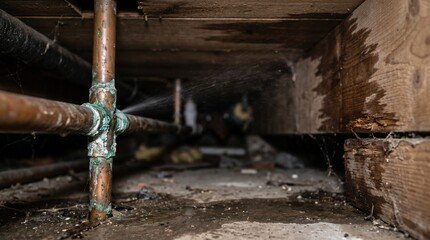
Water around the water heater is one of the most important warning signs.
The source could be:
- A loose connection
- Drain valve
- Temperature and pressure relief valve
- Plumbing fitting
- Condensation
- Tank corrosion
A valve or connection may be repairable.
However, if water is escaping through the storage tank itself, the tank may have structurally failed and replacement is generally necessary.
What Should You Do?
If you discover a significant leak, shut off the water supply if it is safe to do so and contact a qualified plumber.
Do not assume that water at the bottom of the unit necessarily means the tank itself has failed. Water can travel from another connection.
2. Hot Water Runs Out Too Quickly
If your shower suddenly becomes cold much sooner than it used to, the water heater may not be operating correctly.
Possible causes include:
- Failed heating element
- Faulty thermostat
- Sediment buildup
- Damaged dip tube
- Undersized water heater
- Increased household demand
- Plumbing crossover
If the problem affects the entire home, professional diagnosis can help determine whether the heater or another part of the plumbing system is responsible.
3. The Water Takes Too Long to Heat
A noticeable increase in recovery time can indicate a developing problem.
For example, if your water heater previously recovered quickly but now takes much longer, possible causes include:
- Sediment accumulation
- Failed heating element
- Thermostat problems
- Burner problems
- Aging components
- Insufficient heating capacity
A change in performance is often more useful diagnostically than simply knowing the heater's age.
4. You Hear Popping or Rumbling Sounds
Popping, crackling, or rumbling noises are commonly associated with sediment buildup in tank-style water heaters.
Sediment can collect at the bottom of the tank and interfere with heat transfer.
Over time, this may contribute to:
- Longer heating times
- Reduced efficiency
- Reduced hot-water availability
- Increased equipment stress
A noisy water heater does not automatically need replacement, but persistent or worsening sounds deserve attention.
5. Your Hot Water Is Lukewarm
If the water never reaches its normal temperature, the heating system may have a problem.
Potential causes include:
- Faulty thermostat
- Failed heating element
- Burner issue
- Electrical problem
- Plumbing crossover
- Incorrect temperature setting
If every hot-water fixture is affected, the water heater becomes a more likely source.
If only one fixture is affected, the problem may be at that fixture instead.
6. Water Temperature Keeps Fluctuating
Hot water that repeatedly changes from hot to lukewarm can be frustrating and potentially unsafe.
Possible causes include:
- Faulty thermostat
- Mixing valve problem
- Heating-component failure
- Plumbing crossover
- Water-pressure issues
A professional can determine whether the problem originates inside the water heater or elsewhere in the plumbing system.
7. You See Rust or Corrosion
Rust around a water heater should not be dismissed.
Corrosion can occur around:
- Tank connections
- Valves
- Pipes
- Fittings
- The tank itself
Limited surface corrosion may be manageable, but extensive corrosion can indicate deterioration.
If the tank is heavily corroded, continued repairs may not be the most practical long-term solution.
8. Your Water Looks Rusty
Discolored hot water can be a warning sign.
If only hot water appears rusty while cold water remains clear, the water heater may deserve inspection.
Possible causes include:
- Corrosion
- Aging tank
- Deteriorating components
- Plumbing-system issues
If both hot and cold water are discolored, the source may be elsewhere in the water supply or plumbing system.
9. Your Water Bill Suddenly Increases
An unexplained increase in water usage can sometimes indicate a hidden leak.
A hot-water leak may cause the heater to operate more frequently while wasting water.
Other plumbing problems can also cause higher bills.
If your household's water usage has not changed but your bill suddenly increases, investigate the cause rather than assuming the utility company is responsible.
10. The Water Heater Is Constantly Running
A water heater should cycle according to demand and system operation.
If it appears to operate unusually often or continuously, possible causes include:
- Poor insulation
- Heating-component problems
- Thermostat issues
- Excessive hot-water demand
- A plumbing leak
- Aging equipment
A professional evaluation can determine whether the behavior is normal for your system.
11. There Is Moisture Around the Heater
Even without obvious dripping, moisture around the unit deserves attention.
Look for:
- Damp flooring
- Water stains
- Wet insulation
- Moisture around connections
- Pooling water
Water can travel along pipes and surfaces, making the original leak location difficult to identify.
12. Your Water Heater Is More Than 8–12 Years Old
Traditional tank water heaters commonly have an expected service life of roughly 8 to 12 years, although actual lifespan varies.
Age does not automatically mean the heater needs replacement.
However, an older unit showing leaks, corrosion, reduced performance, or repeated failures should be evaluated.
An inspection can help you decide whether continued repair is reasonable.
13. You Need Frequent Repairs
One repair does not necessarily indicate a bad water heater.
But repeated service calls can suggest that several components are reaching the end of their useful life.
Consider replacement when an older unit experiences:
- Multiple component failures
- Repeated leaks
- Declining performance
- Significant corrosion
- Increasing repair frequency
The goal is to compare the condition and expected future reliability of the existing system with the cost and benefits of replacement.
14. The Pressure Relief Valve Is Discharging Water
The temperature and pressure relief valve is an important safety component.
If it is repeatedly releasing water, the cause should be investigated.
Possible factors can include:
- Excessive water pressure
- Excessive temperature
- Faulty valve
- Expansion-related pressure
- Other system problems
Never cap, block, or disable the relief valve.
This safety component should remain functional and be evaluated by a qualified professional.
15. You Notice a Gas Smell
If you have a gas-powered water heater and smell gas, treat it as a potential emergency.
Do not attempt to diagnose or repair the gas system yourself.
Leave the area if necessary and contact the appropriate emergency or gas utility service.
A qualified professional can address water-heater-related gas equipment when appropriate.
Common Causes of Water Heater Problems
Several conditions can contribute to water-heater failure.
Sediment and Mineral Buildup
Deposits can affect heat transfer and equipment efficiency.
Corrosion
Corrosion can eventually damage tanks, valves, and connections.
High Water Pressure
Excessive pressure can place additional stress on plumbing components.
Aging Equipment
Components naturally deteriorate over time.
Poor Installation
Incorrect installation can create performance and safety problems.
Excessive Demand
A water heater may struggle if household demand exceeds its capacity.
Lack of Maintenance
Skipping recommended maintenance can allow developing problems to go unnoticed.
What Does a Professional Water Heater Inspection Involve?
Step 1: Review the Symptoms
The plumber asks when the problem began and what has changed.
Step 2: Identify the Equipment
The technician determines the water heater's type, capacity, model, and approximate age.
Step 3: Inspect the Tank
The tank and surrounding area are checked for corrosion, leaks, and deterioration.
Step 4: Check Connections
Valves, fittings, pipes, and other accessible connections are evaluated.
Step 5: Test Components
Depending on the system, heating elements, thermostats, controls, valves, or burner-related components may be checked.
Step 6: Evaluate Performance
Temperature, recovery, and hot-water availability are considered.
Step 7: Determine the Cause
The technician separates the actual cause from symptoms that may look similar.
Step 8: Explain Repair or Replacement Options
The homeowner should understand what needs to be repaired and why.
Step 9: Test After Service
The system should be checked after repair to ensure proper operation and identify any remaining issues.
Can You Repair a Water Heater Yourself?
Homeowners can perform basic visual checks, but internal water-heater repairs should generally be left to qualified professionals.
You can safely:
- Look for visible leaks.
- Note unusual noises.
- Check the heater's approximate age.
- Observe temperature changes.
- Identify whether all fixtures are affected.
- Locate the water shutoff.
Avoid:
- Opening electrical panels
- Repairing gas components
- Bypassing safety devices
- Removing pressure-relief equipment
- Making major plumbing modifications
Water heaters combine hot water, pressure, electricity or gas, so improper repairs can create serious hazards.
Tools Professionals Use
Electrical Testing Equipment
Used to test applicable heating elements, thermostats, and electrical circuits.
Pressure Gauges
Help determine whether household water pressure is excessive.
Temperature Testing Equipment
Used to evaluate water temperature and system performance.
Leak Detection Equipment
Can help locate hidden water leaks.
Inspection Cameras
Depending on the problem, cameras can help inspect connected plumbing.
Diagnostic Equipment
Modern testing tools can help determine whether the problem is electrical, mechanical, plumbing-related, or equipment-related.
How Long Does Water Heater Repair Take?
The repair time depends on the cause.
A simple component replacement may be completed relatively quickly if the correct part is available.
More complicated work may take longer because of:
- Equipment accessibility
- Required replacement parts
- Plumbing modifications
- Electrical work
- Gas or venting requirements
- Permit requirements
- Extent of damage
A complete water-heater replacement may require additional preparation and installation time.
What Affects Water Heater Repair Cost?
There is no responsible one-size-fits-all price.
Plumbing repair costs vary depending on the severity of the problem, accessibility, materials required, emergency service, property type, and local labor rates.
Other factors can include:
- Diagnostic fees
- Parts
- Labor
- Equipment
- Emergency service
- Leak detection
- Plumbing modifications
- Electrical requirements
- Gas or venting requirements
- Water-heater replacement
- Permit costs, if applicable
Ask for a clear estimate before authorizing major repairs.
Repair or Replacement: Which Is Better?
Repair May Make Sense When:
- The heater is relatively young.
- The tank is structurally sound.
- One component has failed.
- Corrosion is limited.
- Repair costs are reasonable.
Replacement May Make More Sense When:
- The tank itself is leaking.
- Corrosion is extensive.
- The unit is significantly deteriorated.
- Multiple components are failing.
- Repairs are becoming frequent.
- The equipment is near the end of its expected service life.
- The heater no longer meets household demand.
A professional should explain both options when replacement is being considered.
Hidden Truths Miami Homeowners Should Know
A Small Leak Can Become a Major Problem
Water damage can spread beyond the immediate area of the water heater.
A Leaking Valve Does Not Always Mean a Bad Tank
The actual leak source should be identified before replacement is recommended.
Age Alone Does Not Determine Failure
A well-maintained older heater may continue operating, while a newer unit can develop a serious defect.
Cheap Repairs Can Become Expensive If the Cause Is Missed
Replacing one component without addressing an underlying plumbing problem may not solve the issue.
High Water Pressure Can Affect More Than the Heater
Excessive pressure can stress other plumbing fixtures and connections.
Emergency Replacement Reduces Your Choices
Planning ahead gives you more time to select an appropriate system.
15 Common Water Heater Mistakes Homeowners Make
- Ignoring small leaks — Address water leakage promptly.
- Ignoring unusual noises — New sounds can indicate developing problems.
- Waiting for complete failure — Aging equipment can often be planned for.
- Assuming every leak means tank failure — Identify the source first.
- Using excessive temperature settings — This can increase scalding risk.
- Ignoring water pressure — Excessive pressure stresses plumbing.
- Using chemical products around the heater — Follow manufacturer instructions.
- Attempting electrical repairs — Use qualified professionals.
- Attempting gas repairs — Gas equipment requires appropriate expertise.
- Disabling safety valves — Never bypass safety equipment.
- Skipping maintenance — Problems may go unnoticed.
- Choosing replacement equipment solely by price — Capacity and installation matter.
- Installing an incorrectly sized heater — Match capacity to household demand.
- Ignoring increased utility bills — They can sometimes indicate leaks or efficiency problems.
- Hiring without checking qualifications — Use appropriately licensed professionals where required.
Water Heater Maintenance Tips
- Inspect the area around the heater regularly.
- Look for moisture or water stains.
- Check visible connections.
- Watch for rust and corrosion.
- Listen for unusual sounds.
- Monitor hot-water availability.
- Track heating time.
- Follow manufacturer maintenance instructions.
- Have sediment evaluated when appropriate.
- Monitor household water pressure.
- Avoid excessively high temperature settings.
- Keep the equipment accessible.
- Keep electrical components dry.
- Address leaks promptly.
- Have older heaters inspected.
- Keep records of repairs.
- Watch for unexplained increases in water usage.
- Know where the water shutoff is located.
- Plan ahead for aging equipment.
- Never bypass safety devices.
When Should You Call an Emergency Plumber?
Some water-heater problems can wait for normal service. Others require immediate attention.
Call for emergency plumbing assistance when you have:
- A major water leak
- A burst water heater
- Rapid flooding
- Water near electrical equipment
- A failed connection causing significant leakage
- Steam or extremely hot water
- A serious pressure problem
- A suspected gas leak
If you smell gas, leave the area and contact the appropriate emergency or gas utility service.
People Also Ask
How do I know if my water heater needs repair?
Common warning signs include leaks, unusual noises, insufficient hot water, slow heating, temperature fluctuations, corrosion, discolored water, and repeated component failures.
What is the most common water heater problem?
Common issues include sediment buildup, heating-element failure, thermostat problems, leaks, corrosion, pressure problems, and aging components.
Is a leaking water heater always an emergency?
A small valve or connection leak may not require emergency service, but a rapidly leaking tank or flooding situation should be addressed immediately.
How often should a water heater be serviced?
Maintenance requirements vary by equipment and manufacturer. Follow the manufacturer's recommendations and have the system evaluated when performance changes.
How long does a water heater last?
Traditional tank water heaters commonly last about 8–12 years, although actual lifespan depends on installation, maintenance, usage, water conditions, and equipment quality.
Should I repair or replace my old water heater?
Consider the heater's age, tank condition, repair history, corrosion, performance, and expected future repair needs.
Why is my water heater making popping noises?
Sediment buildup is a common cause of popping or rumbling sounds in tank-style water heaters.
Why does my hot water run out quickly?
Possible causes include insufficient capacity, failed heating components, sediment, a damaged dip tube, increased household demand, or plumbing problems.
Can a water heater increase my water bill?
A leaking water heater or hot-water plumbing line can increase water consumption. Changes in efficiency can also affect energy use.
What causes water heater corrosion?
Age, water conditions, damaged protective components, and environmental factors can contribute to corrosion.
Voice Search Questions
“What are the first signs a water heater is failing?”
Look for leaks, unusual noises, corrosion, insufficient hot water, slow heating, inconsistent temperatures, and frequent repairs.
“Should I call a plumber if my water heater is leaking?”
Yes, especially if the leak is growing, the tank appears damaged, or water is causing property damage.
“How do I know if my water heater tank is bad?”
A structural leak through the tank, significant corrosion, repeated failures, and declining performance can indicate that replacement is more practical.
“Why is my water heater suddenly not working?”
Possible causes include heating-element failure, thermostat problems, electrical or gas issues, a tripped control, plumbing problems, or equipment failure.
“When should I replace my water heater instead of repairing it?”
Replacement may be appropriate when the tank is leaking, corrosion is extensive, repairs are frequent, or the system is nearing the end of its useful life.
Why Choose plumbersinmiamiflorida?
When your water heater shows warning signs, getting the problem evaluated early can help you understand whether you need a simple repair, maintenance, or eventual replacement.
plumbersinmiamiflorida provides plumbing assistance for homeowners and property owners in Miami and surrounding communities.
A professional evaluation should clearly explain:
- What caused the problem
- Whether the tank is structurally sound
- Whether repair is possible
- Whether replacement is recommended
- What the repair involves
- What the estimate includes
Final Thoughts
Your water heater does not have to stop working completely before it needs professional attention.
Leaks, unusual noises, slow heating, insufficient hot water, corrosion, temperature fluctuations, and frequent repairs are all reasons to take a closer look at the system.
Some problems can be repaired without replacing the entire unit. Others may indicate that an aging or damaged water heater is approaching the end of its useful service.
If you notice any of these warning signs, professional evaluation can help you make an informed decision before a minor problem becomes a major plumbing emergency.