What Is a Plumbing Shut-Off Valve and Where Is It Located?
Learn what plumbing shut-off valves do, where they are located, different types, how to use them, and why Florida homeowners need to know their location.
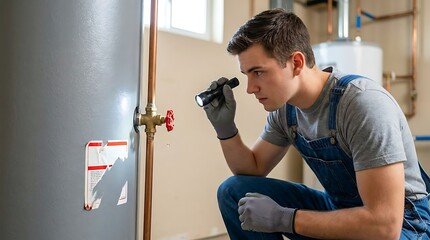
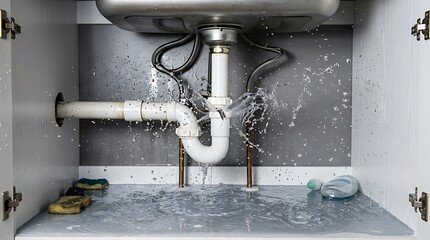
A plumbing emergency can happen without warning. A burst pipe, leaking water heater, overflowing toilet, or broken supply line can quickly cause expensive water damage if the water supply is not stopped immediately.
One of the most important things every homeowner should know is where the plumbing shut-off valves are located and how to use them.
A plumbing shut-off valve controls the flow of water through your plumbing system. By turning the valve off, homeowners can stop water from reaching a leaking fixture or shut down the entire home's water supply during an emergency.
Many Florida homeowners do not think about their shut-off valves until there is a serious leak. Unfortunately, waiting until an emergency occurs can lead to unnecessary damage.
Understanding your plumbing shut-off valves can help you:
- Prevent major water damage
- Respond faster during plumbing emergencies
- Protect flooring, walls, and belongings
- Reduce repair costs
- Maintain better control over your plumbing system
Whether you live in a Miami home, apartment, condominium, rental property, or commercial building, knowing your shut-off valve locations is an important part of responsible property maintenance.
What Is a Plumbing Shut-Off Valve?
A plumbing shut-off valve is a device used to control water flow through a plumbing system.
When the valve is open, water flows normally through pipes to fixtures and appliances.
When the valve is closed, it stops water from continuing into a specific area or the entire property.
Shut-off valves are commonly installed on:
- Main water supply lines
- Toilets
- Faucets
- Sinks
- Water heaters
- Washing machines
- Dishwashers
- Outdoor plumbing fixtures
These valves allow homeowners and plumbers to isolate plumbing problems without shutting off water to the entire property.
Why Are Plumbing Shut-Off Valves Important?
A shut-off valve is one of the simplest but most important components in a plumbing system.
During a plumbing emergency, every second matters.
For example:
A washing machine supply hose breaks while you are away. Water can continue flowing until someone manually shuts off the supply valve.
A leaking pipe behind a wall can continue causing damage until the main water supply is turned off.
A working shut-off valve allows you to quickly control the situation.
Benefits include:
- Faster emergency response
- Reduced flooding risk
- Easier repairs
- Better plumbing control
- Protection of your property
Types of Plumbing Shut-Off Valves
Different plumbing systems use different types of shut-off valves.
1. Main Water Shut-Off Valve
The main shut-off valve controls water entering your entire home.
When closed, it stops water flow to:
- Bathrooms
- Kitchens
- Laundry areas
- Outdoor faucets
- Appliances
This valve is the most important one to locate before an emergency occurs.
2. Fixture Shut-Off Valves
Fixture shut-off valves control individual plumbing fixtures.
Common locations include:
- Under bathroom sinks
- Under kitchen sinks
- Behind toilets
These allow homeowners to shut off water to one fixture while keeping the rest of the home operational.
3. Toilet Shut-Off Valve
Most toilets have a small valve located near the bottom side of the toilet tank.
It controls water entering the toilet.
You may need to use this valve if:
- The toilet overflows
- The fill valve fails
- The supply line leaks
4. Water Heater Shut-Off Valve
Water heaters usually have a cold-water supply shut-off valve.
This valve allows plumbers to stop water entering the tank during:
- Repairs
- Maintenance
- Emergency situations
5. Washing Machine Shut-Off Valves
Washing machines typically have hot and cold water supply valves behind the appliance.
These valves are important because washing machine hoses can fail and release large amounts of water.
6. Outdoor Water Shut-Off Valves
Outdoor faucets and irrigation systems may have separate shut-off controls.
These help protect outdoor plumbing during:
- Repairs
- Storm preparation
- Maintenance
Where Is the Main Water Shut-Off Valve Located?
The location of the main water shut-off valve varies depending on the home's design, age, and construction.
Common locations include:
Near the Water Meter
Many Florida homes have the main shut-off valve near the water meter.
The meter is often located:
- Near the street
- Near the sidewalk
- In a utility box
Exterior Walls
Some homes have the main valve installed:
- Outside walls
- Near utility connections
- In a covered access area
Garage Areas
In some Florida properties, the valve may be located:
- Inside the garage
- Near the water heater
- Along the main plumbing entry point
Utility Rooms
Some homes have shut-off valves inside:
- Laundry rooms
- Mechanical rooms
- Utility closets
Crawl Spaces or Basements
Older properties may have valves in less accessible locations.
Where Are Fixture Shut-Off Valves Located?
Under Kitchen Sinks
Look below the sink cabinet near the supply lines.
You may see:
- Small oval handles
- Lever-style valves
- Chrome or metal valves
Under Bathroom Sinks
Bathroom sink valves are usually attached to:
- Hot water line
- Cold water line
Behind Toilets
The toilet valve is normally located near the floor or wall behind the toilet.
Near Appliances
Check behind:
- Washing machines
- Dishwashers
- Refrigerators with water connections
How Do You Turn Off a Plumbing Shut-Off Valve?
The method depends on the valve type.
Handle Valve
Turn clockwise to close.
Turn counterclockwise to open.
Lever Valve
Turn the lever until it is perpendicular to the pipe.
A parallel position usually means the valve is open.
Wheel Valve
Turn clockwise until it stops.
Do not force it.
What Should You Do If a Shut-Off Valve Will Not Turn?
Older valves may become difficult to operate because of:
- Corrosion
- Mineral buildup
- Age
- Lack of use
Do not force a stuck valve because it may break and create a larger leak.
Instead:
- Contact a plumber
- Have the valve inspected
- Replace damaged valves if needed
Signs Your Shut-Off Valve Needs Replacement
A faulty shut-off valve may show:
Leaking Around the Valve
Water around the valve may indicate failure.
Difficulty Turning
A valve that will not move may need replacement.
Corrosion
Rust or mineral buildup can affect performance.
Valve Does Not Stop Water
If water continues flowing after closing the valve, it may be damaged.
Why Florida Homes Need Reliable Shut-Off Valves
Florida properties face unique plumbing challenges, including:
- High humidity
- Heavy rainfall
- Aging plumbing systems
- Storm-related risks
- Vacation and rental properties
A working shut-off valve is especially important because water damage can develop quickly in warm, humid environments.
Common Plumbing Problems Where Shut-Off Valves Help
Burst Pipes
Quickly shutting off water can reduce flooding.
Leaking Fixtures
Fixture valves allow targeted shutoff.
Water Heater Leaks
The supply valve can stop additional water entering the tank.
Broken Supply Lines
Common examples include:
- Toilet hoses
- Washing machine hoses
- Faucet connections
Appliance Leaks
Dishwashers and refrigerators may require quick water control.
Professional Plumbing Inspection Process for Shut-Off Valves
A plumber may inspect valves by:
Step 1: Checking Valve Location
The plumber identifies all important shut-off points.
Step 2: Testing Valve Operation
The plumber checks whether valves open and close properly.
Step 3: Inspecting for Damage
They look for:
- Corrosion
- Leaks
- Wear
Step 4: Recommending Repairs
Possible solutions include:
- Valve replacement
- Repairs
- Upgrades
Can Homeowners Replace Shut-Off Valves?
Some simple fixture valve replacements may be manageable for experienced homeowners.
However, replacing major shut-off valves can be risky.
Problems may occur if:
- Water cannot be fully stopped
- Connections are damaged
- Installation is incorrect
Professional plumbing help is recommended for:
- Main shut-off valves
- Corroded valves
- Hidden plumbing connections
- Emergency repairs
Tools Plumbers Use for Shut-Off Valve Repairs
Professional plumbers may use:
Pipe Wrenches
Used for removing and installing plumbing components.
Leak Detection Equipment
Helps identify hidden water issues.
Pressure Testing Tools
Checks system performance after repairs.
Replacement Valve Tools
Used for proper installation.
How Long Does Shut-Off Valve Replacement Take?
The timeline depends on the valve location and complexity.
Simple Fixture Valve Replacement
Usually requires a short service visit.
Main Valve Replacement
May require:
- Water shutdown coordination
- Additional access work
- Testing
Older Plumbing Systems
May take longer due to corrosion or difficult access.
Cost Factors for Shut-Off Valve Repairs
Plumbing shut-off valve costs vary depending on:
- Valve type
- Location
- Accessibility
- Labor requirements
- Pipe condition
- Emergency service needs
Replacing an easily accessible fixture valve is usually simpler than replacing a damaged main water valve.
A professional plumber can provide an accurate evaluation.
Hidden Truths Homeowners Should Know About Shut-Off Valves
Many Homeowners Only Find Their Valve During an Emergency
Locate yours before problems happen.
Old Valves May Fail When Needed Most
Unused valves can become stuck.
A Small Valve Can Prevent Major Damage
Quick action can save thousands in water damage.
Rental Properties Need Clear Valve Information
Tenants should know emergency procedures.
Valve Maintenance Matters
Occasional inspection helps ensure operation.
15 Common Shut-Off Valve Mistakes Homeowners Make
1. Not Knowing Where the Main Valve Is
Find it before an emergency.
2. Never Testing the Valve
Unused valves may fail.
3. Forcing Old Valves
This can cause damage.
4. Ignoring Small Valve Leaks
Small leaks can worsen.
5. Blocking Access to Valves
Keep areas clear.
6. Forgetting Appliance Valves
Appliance leaks can cause major damage.
7. Closing the Wrong Valve
Know which valve controls what.
8. Ignoring Corrosion
Rust indicates possible problems.
9. Delaying Valve Replacement
A failing valve may not work during emergencies.
10. Covering Valves During Remodeling
Maintain accessibility.
11. Not Teaching Family Members
Everyone should know emergency steps.
12. Ignoring Rental Property Safety
Tenants need information.
13. Using Excessive Force
Damaged valves create bigger problems.
14. Installing Incorrect Valves
Compatibility matters.
15. Skipping Plumbing Maintenance
Regular checks prevent surprises.
Maintenance Tips for Plumbing Shut-Off Valves
- Locate all shut-off valves in your home.
- Label important valves.
- Check valves periodically.
- Look for corrosion.
- Repair leaking valves quickly.
- Keep valve areas accessible.
- Teach family members locations.
- Check appliance shutoffs.
- Inspect older plumbing systems.
- Replace outdated valves when needed.
- Keep plumbing records.
- Include valve checks in home maintenance.
- Inspect after renovations.
- Check outdoor valves.
- Schedule professional plumbing inspections.
When Should You Call an Emergency Plumber?
Call a plumber immediately if you experience:
- A burst pipe
- Uncontrolled water flow
- A broken main valve
- Major leaks
- Flooding
- Water damage near electrical systems
Fast action can prevent expensive property damage.
Frequently Asked Questions
What is the purpose of a plumbing shut-off valve?
A shut-off valve controls water flow and allows homeowners to stop water during repairs or emergencies.
Where is the main water shut-off valve usually located?
It is commonly found near the water meter, garage, utility room, or where the main water line enters the home.
Should I turn off my water during a plumbing emergency?
Yes. Shutting off water quickly can reduce damage.
How do I know if my shut-off valve is bad?
Signs include leaks, corrosion, difficulty turning, or inability to stop water flow.
How often should shut-off valves be checked?
They should be inspected periodically as part of routine plumbing maintenance.