What Causes Water Hammer in Florida Plumbing Systems?
Learn what causes water hammer in Florida plumbing systems, warning signs, common triggers, repair options, prevention tips, and when to call a plumber.

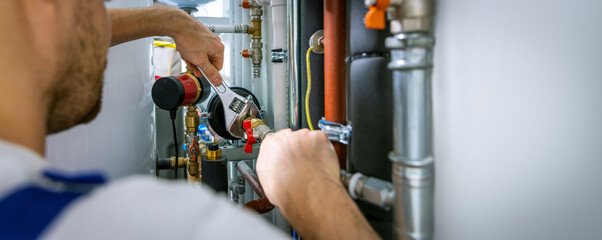
If your plumbing makes a loud bang, knock, thump, or vibration when you turn off a faucet or an appliance stops using water, you may be experiencing water hammer.
Water hammer is a pressure surge that occurs when moving water is forced to stop or change direction suddenly. The resulting pressure wave can travel through the plumbing system and create the familiar banging sound.
It can happen in both newer and older Florida homes, apartments, condominiums, and commercial buildings.
Common triggers include:
- Faucets
- Toilets
- Washing machines
- Dishwashers
- Solenoid-operated valves
- Irrigation systems
An occasional mild noise may not indicate serious damage. However, repeated or severe water hammer should not be ignored because the underlying pressure changes can place stress on pipes, fittings, valves, and appliance connections.
Understanding what causes water hammer in Florida plumbing systems can help you recognize the problem early and decide when professional plumbing service is appropriate.
What Is Water Hammer?
Water hammer is a sudden pressure surge inside a plumbing pipe caused by a rapid change in water flow.
When water moves through a pipe, it has momentum.
When a valve suddenly closes, the moving water cannot simply disappear. The flow stops abruptly, creating a pressure wave that travels through the pipe.
That pressure wave can make the plumbing system vibrate or cause the pipe to move against:
- Wall framing
- Floor joists
- Pipe supports
- Brackets
- Other pipes
This produces the bang or knocking sound associated with water hammer.
What Does Water Hammer Sound Like?
Water hammer doesn't always sound exactly the same.
Homeowners may hear:
- A single loud bang
- Several rapid knocks
- A deep thud
- Popping
- Rattling
- Pipe vibration
- A metallic clanging sound
The timing is often more useful than the exact sound.
If the noise occurs immediately after a faucet, toilet, or appliance stops running, water hammer becomes a strong possibility.
What Causes Water Hammer in Florida Plumbing Systems?
Several factors can contribute to water hammer.
1. Rapidly Closing Valves
This is one of the most common causes.
Modern fixtures and appliances often use valves that can open or close very quickly.
When water flow stops abruptly, the resulting pressure wave can create a bang.
2. Washing Machine Valves
Washing machines are frequent triggers.
Modern washing machines use electrically controlled valves that can close quickly.
You might hear:
Water flowing → machine stops → loud bang.
If this happens consistently, the plumbing system should be evaluated.
3. Toilet Fill Valves
A toilet can create water hammer when its fill valve suddenly closes after the tank refills.
A worn or improperly functioning fill valve may make the problem more noticeable.
4. High Water Pressure
Excessive water pressure can make water hammer more severe.
Higher pressure means the plumbing system may experience stronger pressure changes when flow stops.
High pressure can also contribute to premature wear of:
- Faucets
- Toilets
- Valves
- Washing-machine hoses
- Water heaters
- Appliance connections
5. Loose Pipe Supports
Sometimes the pressure surge itself isn't the only reason you hear a bang.
The pressure change may cause an inadequately supported pipe to move.
If the pipe strikes a wall, floor joist, or support, it creates a loud noise.
In older Florida buildings, pipe supports may have loosened or deteriorated over time.
6. Improperly Supported Plumbing
Pipes should be properly secured according to the applicable plumbing requirements and installation practices.
If a pipe has too much movement, even normal changes in water flow can cause:
- Knocking
- Rattling
- Vibrations
- Tapping
7. Improper Plumbing Installation
Incorrect pipe sizing, routing, support, or valve selection can contribute to water-hammer problems.
A system that was modified repeatedly over the years may have several generations of plumbing components.
8. Long Plumbing Runs
Long pipe runs can sometimes make pressure changes more noticeable.
The longer the moving column of water, the more momentum may be involved when flow suddenly stops.
9. Pressure Fluctuations
Water pressure can change because of:
- Building demand
- Pressure regulators
- Municipal supply conditions
- Pumps
- Plumbing modifications
- Faulty pressure-control equipment
Pressure fluctuations can contribute to noisy plumbing.
10. Worn or Faulty Valves
A valve that doesn't operate properly may cause unusual flow patterns or rapid changes in pressure.
Replacing a worn valve may reduce the noise when the valve is responsible for the problem.
Does Florida's Water Supply Cause Water Hammer?
Florida's water supply isn't automatically responsible for water hammer.
The problem is usually related to how water moves through a particular plumbing system.
However, local water pressure, building design, pressure-regulating equipment, and the condition of the plumbing can influence how noticeable water hammer becomes.
A professional plumber can measure the actual pressure instead of guessing.
Can High Water Pressure Cause Water Hammer?
Yes.
High water pressure can make water hammer more pronounced and can increase stress on plumbing components.
Residential plumbing pressure commonly falls around 40–60 psi, although actual recommended conditions vary depending on the property and plumbing system.
If your pressure is unusually high, the system may need professional evaluation.
A pressure-reducing valve may be appropriate in some installations.
How Do You Know If High Water Pressure Is the Problem?
Possible warning signs include:
- Banging pipes
- Faucets that spit or splash
- Running toilets
- Premature fixture failures
- Leaking connections
- Water-heater pressure issues
- Noisy appliance valves
- Excessive water flow
The only reliable way to determine pressure is to measure it with an appropriate pressure gauge.
Can Water Hammer Damage Pipes?
It can contribute to stress on plumbing components, particularly when pressure surges happen repeatedly.
Potentially affected components include:
- Pipe joints
- Fittings
- Valves
- Appliance connections
- Flexible supply lines
- Water heaters
The actual risk depends on the severity and frequency of the pressure surge and the condition of the plumbing system.
Can Water Hammer Cause a Pipe to Burst?
Water hammer alone doesn't mean a pipe will suddenly burst.
However, repeated pressure surges can place additional stress on an already weak plumbing system.
If pipes are:
- Corroded
- Old
- Damaged
- Poorly supported
- Improperly installed
the system may be less tolerant of repeated pressure changes.
That's why persistent water hammer deserves attention.
Why Is Water Hammer More Noticeable in Older Florida Buildings?
Older buildings can have several conditions that make plumbing noises more obvious.
These may include:
- Aging pipe supports
- Older valves
- Corroded piping
- Previous plumbing modifications
- Higher-than-ideal pressure
- Outdated plumbing configurations
- Different pipe materials connected together
A building may also have been renovated multiple times, resulting in a mixture of old and new components.
Does Water Hammer Happen Only in Old Houses?
No.
Water hammer can occur in:
- New homes
- Older homes
- Apartments
- Condominiums
- Office buildings
- Restaurants
- Retail properties
- Industrial facilities
Newer appliances can sometimes make the problem noticeable because they use fast-acting valves.
Why Does My Washing Machine Cause Water Hammer?
Washing machines frequently use electrically controlled valves that close rapidly.
When the valve closes, water flow stops suddenly.
If the plumbing system has:
- High pressure
- Loose pipes
- Long pipe runs
- Inadequate water-hammer control
you may hear a loud bang.
If the noise happens specifically when the washing machine stops filling, tell the plumber exactly when the sound occurs.
That information can make diagnosis easier.
Why Does My Dishwasher Cause Banging Pipes?
Dishwashers also use automatic water valves.
When the valve closes, the water flow can stop quickly.
If the plumbing system is susceptible to water hammer, the dishwasher may trigger a bang.
Check whether the noise occurs:
- At the beginning of the cycle
- When filling stops
- During multiple cycles
- Only when other fixtures are running
This timing can help identify the cause.
Why Does My Toilet Cause Water Hammer?
The toilet's fill valve controls water entering the tank.
When the tank reaches its fill level, the valve closes.
If the valve closes rapidly or isn't functioning correctly, it may produce a pressure surge.
A plumber may inspect:
- Fill valve
- Supply line
- Shut-off valve
- Water pressure
- Pipe supports
Can a Faucet Cause Water Hammer?
Yes.
A faucet can cause water hammer when it is shut off quickly.
This is more noticeable in some plumbing systems than others.
If one particular faucet consistently triggers the noise, note which fixture causes it.
What Is an Air Chamber?
An air chamber is a section of pipe designed to provide a cushion against sudden changes in water flow.
The idea is that compressible air can absorb some of the pressure surge.
However, traditional air chambers can become waterlogged over time and may not function as intended.
Modern plumbing systems may use other water-hammer control devices designed for the application.
A plumber can determine what type of control is appropriate.
What Is a Water Hammer Arrestor?
A water hammer arrestor is a device designed to absorb pressure surges caused by rapidly stopping water.
It typically contains a mechanism that provides a compressible cushion for the moving water.
Arrestors are commonly considered for plumbing systems with fast-closing valves, such as:
- Washing machines
- Dishwashers
- Certain flush valves
- Other quick-closing fixtures
The appropriate device and installation depend on the plumbing system.
How Is Water Hammer Repaired?
There isn't one repair that works for every situation.
A plumber may recommend:
Correcting High Water Pressure
If pressure is excessive, the system may require pressure regulation.
Replacing a Faulty Valve
A worn fixture or appliance valve may be causing the sudden pressure change.
Securing Loose Pipes
Properly supporting exposed or accessible pipes can reduce movement and noise.
Installing Water-Hammer Control
A suitable water-hammer arrestor may be installed where appropriate.
Replacing Deteriorated Components
Old or damaged valves, fittings, or supply lines may need replacement.
Step-by-Step Professional Water Hammer Diagnosis
Step 1: Ask When the Noise Happens
The plumber identifies which fixture or appliance triggers the sound.
Step 2: Inspect Accessible Plumbing
Exposed pipes and connections are checked for movement, corrosion, and damage.
Step 3: Measure Water Pressure
A pressure gauge can determine whether pressure is contributing to the problem.
Step 4: Test Fixtures
The plumber may operate faucets, toilets, appliances, and other valves.
Step 5: Check Pipe Supports
Loose or improperly supported pipes are evaluated.
Step 6: Inspect Pressure-Control Equipment
Pressure-reducing valves and related components may be checked where applicable.
Step 7: Recommend a Repair
The plumber explains the likely cause and appropriate solution.
Step 8: Test the System
After repairs, the plumbing is operated again to determine whether the noise has been reduced.
Can You Fix Water Hammer Yourself?
Some basic observations are safe.
You can:
- Identify which fixture causes the noise.
- Note when the sound occurs.
- Check visible pipes for movement.
- Look for visible leaks.
- Record the noise on your phone.
- Check whether the problem occurs with hot or cold water.
Avoid making major plumbing changes without proper knowledge.
Don't:
- Increase water pressure
- Force old valves
- Cut into walls
- Remove pipe supports
- Install random plumbing components
- Modify pressure regulators without understanding the system
What Should You Do If Water Hammer Suddenly Starts?
If the noise is new:
- Identify which fixture triggers it.
- Check for visible leaks.
- Listen for unusual pipe vibration.
- Note whether water pressure has changed.
- Check whether a new appliance was recently installed.
- Contact a plumber if the problem persists.
A new noise may be caused by something as simple as a recently replaced fixture, but it could also indicate a developing plumbing issue.
Does Water Hammer Require an Emergency Plumber?
Usually, no.
Water hammer by itself is generally a service or maintenance issue rather than an emergency.
However, call for urgent plumbing assistance if the noise is accompanied by:
- A burst pipe
- Major water leakage
- Rapid flooding
- Loss of water
- Severe pressure changes
- Water entering electrical areas
- A major water-heater leak
If water is near electrical equipment, prioritize safety and avoid the affected area.
How Long Does Water Hammer Repair Take?
The timeline depends on the cause.
Simple Valve Replacement
A straightforward fixture valve problem may be resolved during a routine service visit.
Pipe Support Repair
Accessible pipes may be secured relatively quickly.
Pressure Problem
Diagnosis and pressure-control repairs may require additional work.
Hidden Plumbing
If the source is behind walls or ceilings, diagnosis and access may take longer.
Multi-Unit Buildings
Apartments and condominiums may require coordination with building management.
How Much Does Water Hammer Repair Cost?
There is no honest universal price.
The cost depends on:
- Diagnostic work
- Labor
- Valve replacement
- Pipe accessibility
- Water pressure
- Water-hammer control equipment
- Plumbing condition
- Building layout
- Emergency service
- Required repairs
A simple valve replacement and a concealed plumbing repair are very different projects.
Get the system properly diagnosed before approving extensive work.
Hidden Truths Homeowners Should Know
Water hammer is a symptom, not always the root problem
The bang tells you something is happening with water movement or pipe movement.
Replacing one fixture may not solve the problem
If high pressure or loose pipes are involved, the underlying issue remains.
High pressure can affect the entire plumbing system
It's not just a water-hammer issue.
New appliances can expose old plumbing problems
A fast-closing valve can make an existing condition more noticeable.
Noise location can be misleading
Sound travels through pipes and building structures.
Old plumbing deserves a complete evaluation
One noisy fixture may not be the only problem.
Don't automatically repipe the entire home
Determine the cause first.
15 Common Mistakes Homeowners Make
1. Ignoring persistent banging
Have recurring noise evaluated.
2. Assuming the pipes are about to burst
Noise alone doesn't prove imminent failure.
3. Increasing water pressure
This can worsen the problem.
4. Forcing old shutoff valves
This can create leaks.
5. Replacing random parts
Diagnosis should come before replacement.
6. Ignoring loose pipes
Movement can make noise worse.
7. Ignoring high water bills
A separate leak may exist.
8. Ignoring water stains
Moisture requires attention.
9. Installing appliances without checking plumbing
New valves can trigger water hammer.
10. Using incorrect fittings
Improper installation can cause additional problems.
11. Removing pipe supports
Pipes need appropriate support.
12. Opening walls without a plan
Concealed plumbing can be damaged.
13. Ignoring older valves
Aging valves may fail.
14. Waiting until a pipe fails
Preventative service is usually preferable to emergency repairs.
15. Choosing a plumber based solely on price
Proper diagnosis and workmanship matter.
Maintenance Tips to Prevent Water Hammer
- Monitor household water pressure.
- Have unusually high pressure professionally evaluated.
- Replace worn fixture valves.
- Maintain toilet fill valves.
- Inspect washing-machine hoses and connections.
- Check dishwasher plumbing connections.
- Secure accessible loose pipes.
- Don't hang items from plumbing.
- Address recurring pipe vibration.
- Maintain water-heating equipment.
- Replace deteriorated shutoff valves.
- Don't ignore new plumbing noises.
- Inspect older plumbing periodically.
- Check plumbing after appliance installation.
- Keep records of plumbing modifications.
- Have pressure-regulating equipment inspected when needed.
- Consider water-hammer control for appropriate fast-closing valves.
- Address leaks promptly.
- Monitor changes in water pressure.
- Schedule professional plumbing inspections when recurring problems occur.
When Should You Call a Plumber?
Contact a qualified plumber if:
- Banging occurs frequently.
- The noise is getting louder.
- Multiple fixtures trigger the sound.
- You have unusually high water pressure.
- Pipes visibly move or vibrate.
- A valve appears damaged.
- There are water stains.
- You notice unexplained water usage.
- The plumbing system is old.
- You recently remodeled or installed new fixtures.
- You suspect a concealed leak.
Professional diagnosis can help prevent unnecessary repairs.
Frequently Asked Questions
What causes water hammer in Florida plumbing systems?
Common causes include rapidly closing valves, high water pressure, loose pipes, improperly supported plumbing, worn valves, long pipe runs, and plumbing installation issues.
Why do my pipes bang when I turn off the water?
The sudden stop in water flow can create a pressure surge known as water hammer.
Is water hammer dangerous?
It isn't always an emergency, but repeated pressure surges can stress plumbing components and should be investigated when persistent.