Signs Your Miami Home Has a Hidden Plumbing Leak
Learn the warning signs of hidden plumbing leaks in Miami homes, including water stains, high bills, mold, damp walls, and low water pressure.

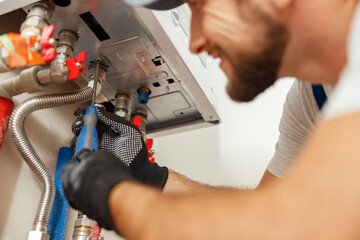
A plumbing leak does not always announce itself with a burst pipe or a puddle on the floor. Some of the most damaging leaks happen behind walls, underneath flooring, inside cabinets, or beneath a home's foundation.
For Miami homeowners, hidden plumbing leaks deserve particular attention. Older plumbing systems, high humidity, hard-water deposits, aging fixtures, and year-round water usage can all contribute to plumbing problems.
The challenge is recognizing the warning signs before a small leak becomes expensive water damage.
A hidden leak can waste water continuously, increase your utility bill, damage drywall and flooring, create unpleasant odors, and contribute to mold growth. In some cases, it can even damage structural materials.
Knowing what to look for can help you call a professional before the problem becomes an emergency.
What Is a Hidden Plumbing Leak?
A hidden plumbing leak is water escaping from a pipe, fitting, fixture, or plumbing connection in a location that is not immediately visible.
Common locations include:
- Inside walls
- Under flooring
- Beneath cabinets
- Inside ceilings
- Under concrete slabs
- Behind toilets and tubs
- Around water heaters
- Underground water lines
- Inside walls near kitchens and bathrooms
A visible dripping faucet is easy to identify. A pipe leaking inside a wall may go unnoticed for weeks or months.
For example, a small supply-line leak behind a bathroom wall may initially produce nothing more than a faint stain. Over time, moisture can weaken drywall and create an environment where mold can grow.
Why Do Hidden Plumbing Leaks Happen?
Aging Pipes
Older pipes can deteriorate over time. Corrosion, repeated pressure changes, and general wear can eventually create weak spots.
Corrosion
Metal plumbing components may corrode, especially when exposed to water and unfavorable conditions for long periods.
High Water Pressure
Excessive water pressure can place additional stress on pipes, fittings, and fixtures.
Poor Installation
Improperly supported pipes, incorrectly fitted connections, or unsuitable materials can contribute to premature leaks.
Worn Fixtures
Toilet supply lines, faucet connections, shutoff valves, washing machine hoses, and other components can eventually wear out.
Shifting or Settlement
Changes around a building can place stress on underground or concealed plumbing.
Tree Roots
Roots can interfere with underground sewer lines and create blockages or pipe damage.
Temperature Changes
Although freezing conditions are less common in Miami than in colder parts of the country, temperature changes can still affect certain exposed plumbing components.
Signs Your Miami Home May Have a Hidden Plumbing Leak
1. An Unexpected Increase in Your Water Bill
One of the easiest clues to overlook is a sudden increase in water usage.
If your household habits have not changed but your water bill keeps climbing, an unseen leak may be responsible.
A continuously running toilet can also cause high water consumption, so a higher bill does not automatically prove that a hidden pipe is leaking.
2. Water Stains on Walls or Ceilings
Brown, yellow, or discolored patches on walls and ceilings should never be ignored.
A stain may indicate water escaping from plumbing behind the surface, although roof leaks and HVAC condensation can create similar symptoms.
The source needs to be identified before repairs are made.
3. Musty or Damp Smells
A persistent musty smell may indicate moisture trapped behind drywall, beneath flooring, or inside cabinets.
If cleaning does not eliminate the odor, investigate whether plumbing moisture is contributing to the problem.
4. Mold or Mildew Growth
Mold growth in an unusual location can be a warning sign of persistent moisture.
In bathrooms, some mildew is expected because of normal humidity. Mold repeatedly appearing on a wall, cabinet, or ceiling may indicate a moisture source that needs attention.
5. Damp Cabinets
Check beneath kitchen and bathroom sinks periodically.
A small leak around a supply line, drain connection, or shutoff valve can remain hidden inside the cabinet while slowly damaging the base.
6. Peeling Paint or Bubbling Walls
Paint that bubbles, blisters, peels, or separates from drywall can indicate moisture underneath.
Do not simply repaint the area without determining why the surface became wet.
7. Warped or Buckled Flooring
Water beneath flooring can cause wood, laminate, or other materials to swell, buckle, or separate.
If flooring changes without an obvious spill or other explanation, a plumbing inspection may be appropriate.
8. Low Water Pressure
A sudden or unexplained reduction in water pressure may be associated with a leak, damaged pipe, clogged aerator, pressure-regulating problem, or municipal supply issue.
If pressure changes throughout the home, the plumbing system should be evaluated.
9. Sounds of Running Water
Hearing water running when every faucet and appliance is turned off can be an important warning sign.
Walk through the home and listen near bathrooms, walls, water heaters, and utility areas.
10. Cracks or Changes Around Floors and Walls
Unexpected moisture can contribute to deterioration of building materials.
Cracks are not proof of a plumbing leak by themselves, but when combined with dampness, stains, or unusual water usage, they deserve investigation.
11. Standing Water With No Obvious Source
Finding water repeatedly in the same area without a clear explanation is a strong reason to investigate.
The water could originate from a hidden plumbing connection, appliance, HVAC system, roof, or another source.
12. Warm or Damp Spots on the Floor
An unusually warm section of flooring may sometimes indicate a hot-water line leaking beneath the surface.
This can be particularly important in homes with plumbing lines installed below concrete or flooring.
13. Unpleasant Drain or Sewer Odors
A bad smell may be caused by a dry trap, drain buildup, sewer issue, or plumbing leak.
Persistent sewer odors should not simply be covered with air fresheners.
14. Repeatedly Wet Areas Around Fixtures
If the floor around a toilet, shower, sink, or washing machine repeatedly becomes damp, investigate the plumbing connections.
A leak does not have to be dramatic to cause damage.
15. Your Water Meter Moves When No Water Is Being Used
Turn off faucets and water-using appliances and observe the meter.
If the meter continues registering water use when the property should be inactive, there may be a leak somewhere in the system.
This test is not definitive because some systems and appliances may cycle automatically, but it can provide a useful clue.
How to Check for a Hidden Plumbing Leak
Homeowners can perform a few basic observations before calling a plumber.
First, make sure faucets are closed and appliances such as washing machines and dishwashers are not running.
Check:
- Under every sink
- Around toilets
- Behind appliances
- Around the water heater
- Near washing machine connections
- Around outdoor hose connections
- Inside cabinets
- Near visible plumbing pipes
Then monitor your water meter if practical.
Do not open walls, floors, or ceilings simply to search for a suspected leak. Professional leak detection can often identify the likely location without unnecessary demolition.
Step-by-Step Professional Leak Detection Process
Step 1: Visual Inspection
The plumber checks fixtures, exposed pipes, water heaters, valves, cabinets, ceilings, and other accessible areas.
Step 2: Water Usage Assessment
The technician may evaluate water consumption and determine whether the symptoms are consistent with an active leak.
Step 3: Pressure Testing
Pressure testing may help determine whether a plumbing system is losing water where it should not.
Step 4: Specialized Leak Detection
Depending on the situation, professionals may use acoustic equipment, thermal imaging, moisture meters, or other specialized tools.
Step 5: Pipe or Sewer Inspection
If the suspected problem involves a drain or sewer line, a camera inspection may be appropriate.
Step 6: Repair Recommendation
Once the source is identified, the plumber can explain the repair options and any access required.
Step 7: Testing After Repair
The system should be tested to verify that the suspected leak has been addressed.
Can You Find a Hidden Leak Yourself?
You can safely look for visible signs and monitor water usage, but locating a leak inside a wall, slab, or underground pipe is often more complicated.
Avoid randomly cutting into walls or flooring.
You may create additional repair costs while still failing to locate the actual source.
Professional leak detection is particularly useful when:
- The water meter indicates unexplained usage.
- Moisture appears inside a wall.
- Flooring becomes damp.
- There is no visible source.
- A slab leak is suspected.
- Water pressure suddenly changes.
- The leak appears intermittent.
Tools Professionals May Use
Depending on the plumbing system and suspected leak location, a plumber may use:
- Acoustic leak detection equipment
- Thermal imaging cameras
- Moisture meters
- Pressure gauges
- Pipe inspection cameras
- Sewer cameras
- Electronic locating equipment
- Specialized listening devices
These tools can help narrow down the location before invasive repair work begins.
How Long Does Hidden Leak Detection Take?
A straightforward visible leak may be identified quickly.
A concealed leak can take longer because the plumber may need to inspect several possible sources.
Time depends on:
- Size of the property
- Accessibility of plumbing
- Location of the suspected leak
- Type of plumbing
- Whether the leak is intermittent
- Whether underground or slab plumbing is involved
- Whether additional testing is required
The detection process and repair process are separate. Finding a leak does not necessarily mean the repair can be completed immediately.
What Does Hidden Leak Detection Cost?
There is no reliable single price for every hidden plumbing leak.
Costs vary based on the location and complexity of the problem, the equipment required, property accessibility, labor, and whether additional testing is necessary.
Before approving service, ask whether the company charges a diagnostic fee and whether that fee is applied toward repair work.
The cost of finding a leak should also be considered against the potential cost of allowing hidden water damage to continue.
Hidden Truths Miami Homeowners Should Know
A Small Leak Can Cause Major Damage
Water does not need to pour from a pipe to damage drywall, flooring, cabinets, and insulation.
Your Water Bill Is an Important Clue
Unexpected usage can sometimes reveal a leak before visible damage appears.
Mold Is a Symptom, Not the Plumbing Problem
Cleaning visible mold without addressing the moisture source may allow the problem to return.
Water Can Travel
The location where water appears may not be where the pipe is actually leaking.
Slab Leaks Need Careful Diagnosis
A leak beneath a concrete slab can require specialized detection and repair planning.
Not Every Wet Spot Is a Plumbing Leak
Roof leaks, HVAC condensation, appliance leaks, and exterior water intrusion can produce similar symptoms.
Accurate diagnosis matters.
15 Common Mistakes Homeowners Make
- Ignoring a small water stain.
- Waiting until the water bill becomes extremely high.
- Repainting damp walls without finding the source.
- Covering musty odors with air fresheners.
- Ignoring mold that repeatedly returns.
- Cutting into walls without a diagnosis.
- Using excessive chemical drain cleaners.
- Ignoring sudden changes in water pressure.
- Leaving dripping fixtures unrepaired.
- Delaying repairs around toilets and sinks.
- Hiring an unqualified person for concealed plumbing work.
- Failing to inspect plumbing after a major renovation.
- Ignoring recurring damp flooring.
- Assuming every leak is covered by insurance.
- Waiting until a hidden leak becomes a flooding emergency.
Maintenance Tips to Help Prevent Hidden Plumbing Leaks
- Inspect visible plumbing every few months.
- Check under kitchen and bathroom sinks.
- Inspect toilet supply lines.
- Look around the water heater for moisture.
- Check washing machine hoses and connections.
- Monitor unusual changes in water usage.
- Pay attention to unexplained water pressure changes.
- Repair dripping faucets promptly.
- Replace visibly deteriorated hoses and fittings.
- Keep cabinets dry and accessible.
- Avoid putting excessive pressure on exposed plumbing.
- Have older plumbing systems professionally inspected.
- Address corrosion when it is first discovered.
- Maintain appropriate household water pressure.
- Watch for recurring stains on walls and ceilings.
- Investigate persistent musty odors.
- Do not ignore recurring mold growth.
- Know where your main water shutoff valve is located.
- Inspect plumbing after remodeling work.
- Schedule professional leak detection when unexplained water loss continues.
When Should You Call an Emergency Plumber?
A hidden leak becomes an emergency when water is spreading rapidly or threatening the safety of people or property.
Seek urgent plumbing assistance for:
- A burst pipe
- Rapid flooding
- Major water loss
- Water entering electrical areas
- A significant ceiling leak
- A broken water supply line
- Severe sewage backup
- An uncontrolled toilet overflow
- A major slab or underground leak
- Water damage that is rapidly getting worse
If you can safely reach the main water shutoff, turning off the home's water supply can help limit damage while professional help is arranged.
Frequently Asked Questions
How do I know if I have a hidden water leak?
Look for unexplained water usage, damp areas, stains, mold, musty odors, peeling paint, warped flooring, or sounds of running water when fixtures are off.
Can a hidden leak increase my water bill?
Yes. Even a relatively small continuous leak can waste water over time.
How do plumbers find leaks behind walls?
Depending on the situation, plumbers may use moisture meters, acoustic equipment, thermal imaging, pressure testing, or other specialized tools.
Can a leak occur under a concrete slab?
Yes. Water supply lines installed beneath concrete can develop leaks, although accurate diagnosis is necessary because other problems can create similar symptoms.
Is mold always caused by a plumbing leak?
No. Mold can result from condensation, roof leaks, poor ventilation, HVAC issues, or other moisture sources.
Why is my water pressure suddenly low?
Possible causes include a plumbing leak, clogged fixture components, damaged pipes, pressure-regulating problems, or an issue with the municipal supply.
Can a hidden plumbing leak damage my foundation?
Depending on the location and duration of the leak, persistent water can contribute to damage around building materials and soil. A suspected slab or underground leak should be professionally evaluated.
How long can a hidden plumbing leak go unnoticed?
There is no fixed timeframe. Some leaks become obvious within hours, while slow concealed leaks can remain unnoticed for weeks or longer.
Does homeowners insurance cover hidden plumbing leaks?
Coverage depends on the policy, cause of the damage, circumstances, and whether the problem was sudden or related to long-term deterioration or neglect.
Should I cut open my wall to find a plumbing leak?
Usually not. Professional detection methods may locate the suspected area without unnecessary demolition.
Can a hidden leak cause bad smells?
Yes. Persistent moisture can create musty odors, while damaged sewer plumbing can produce sewage-related smells.
How quickly should a hidden plumbing leak be repaired?
As soon as the source is reasonably confirmed. Prompt repairs reduce the amount of water damage and help prevent the problem from becoming more expensive.
People Also Ask
What are the first signs of a hidden water leak?
Unexpected water usage, damp spots, stains, musty smells, mold, and unexplained changes in water pressure are common clues.
How can I check my house for a water leak?
Inspect visible plumbing, stop normal water use, and monitor your water meter for unexplained activity.
What does a hidden water leak sound like?
Depending on the location, you may hear faint dripping, hissing, or running-water sounds even when fixtures are not operating.
Can a hidden water leak cause low water pressure?
It can, although low pressure has many other possible causes and requires proper diagnosis.
How much does plumbing leak detection cost?
Pricing varies according to the property, suspected leak location, equipment required, labor, and complexity of diagnosis.
Voice Search Questions
Homeowners often use voice search to ask:
- “How do I know if my Miami house has a hidden water leak?”
- “Why is my water bill suddenly so high?”
- “Why does my wall smell musty?”
- “How can I tell if a pipe is leaking behind my wall?”
- “Can a water leak happen under a slab?”
- “Why is my floor suddenly damp?”
- “How do plumbers find hidden leaks?”
- “What should I do if I suspect a plumbing leak?”
- “Can a hidden leak cause mold?”
- “When should I call a plumber for a hidden leak?”
Why Choose Our Plumbing Company?
When dealing with a hidden plumbing leak, choosing a company that focuses on diagnosis is important.
plumbersinmiamiflorida provides plumbing assistance for homeowners who need help identifying and addressing plumbing problems. Before work begins, homeowners should receive a clear explanation of the suspected issue, recommended repair, expected work involved, and applicable costs.
When choosing a plumbing company, look for:
- Proper licensing where required
- Relevant plumbing experience
- Clear communication
- Written estimates when appropriate
- Appropriate leak detection equipment
- Quality repair practices
- Honest recommendations
- Emergency service when available
- Knowledge of local plumbing conditions
For assistance with a suspected hidden plumbing leak, contact plumbersinmiamiflorida at 844-833-2093.
Local Plumbing Service in Miami
Hidden plumbing leaks can occur in homes and businesses throughout Miami and surrounding South Florida communities.
Whether the property is an older home, condominium, apartment, rental property, or commercial building, concealed plumbing problems should be investigated before they cause extensive damage.
Professional plumbing service may be useful for properties in Miami and nearby communities throughout the surrounding service area.
Final Thoughts
A hidden plumbing leak rarely becomes less expensive by being ignored.
If you notice a rising water bill, unexplained dampness, mold, water stains, low pressure, musty odors, or sounds of running water, investigate the cause before the damage spreads.
Not every warning sign means you have a leaking pipe, but each deserves attention when it is persistent or unexplained.
Early diagnosis can help you determine whether the problem is a fixture, supply line, drain, sewer pipe, underground line, or another source of moisture. When the source is hidden, professional leak detection can help avoid unnecessary damage and make the repair process more precise.