How to Protect Plumbing When Leaving a Florida Home Vacant
Learn how to protect your Florida home's plumbing when vacant. Follow these tips to prevent leaks, pipe damage, water heater issues, and costly repairs.
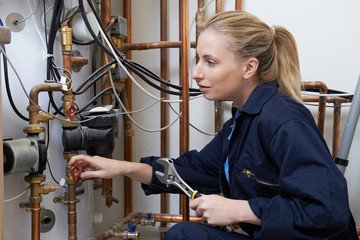
Leaving a Florida home vacant for an extended period requires more than simply locking the doors and turning off the lights.
An empty property can be vulnerable to plumbing problems that may go unnoticed for days, weeks, or even months. A small leak under a sink, a failed water heater connection, or a damaged supply line can cause significant water damage when nobody is present to respond quickly.
Florida homes face unique plumbing challenges because of:
- High humidity
- Heavy rainfall
- Seasonal storms
- Aging plumbing systems
- Irrigation systems
- Vacation property use
- Long periods of vacancy
Whether you own a vacation home, rental property, seasonal residence, or simply leave your Florida home empty for several weeks, proper plumbing preparation can help prevent expensive emergencies.
This guide explains how to protect your plumbing system before leaving a Florida home vacant.
Why Vacant Florida Homes Need Plumbing Protection
When someone lives in a home every day, plumbing issues are usually discovered quickly.
Homeowners notice:
- A dripping faucet
- A running toilet
- A strange smell
- Low water pressure
- Water stains
- A leaking appliance
A vacant home does not provide that early warning.
A plumbing problem can continue unnoticed and lead to:
- Water damage
- Mold growth
- Structural damage
- Increased utility bills
- Damaged flooring
- Cabinet repairs
- Expensive emergency plumbing work
Preventative preparation is especially important for homes left vacant during hurricane season, winter travel, or long-term absences.
Common Plumbing Risks in Vacant Florida Homes
1. Hidden Water Leaks
Hidden leaks are one of the biggest concerns in an empty home.
Leaks may occur behind:
- Walls
- Cabinets
- Appliances
- Ceilings
- Floors
Common causes include:
- Aging pipes
- Loose connections
- Corroded fittings
- Failed supply lines
- Worn valves
Because nobody is regularly checking the property, damage can continue for a long time.
2. Burst or Failed Supply Lines
Flexible supply lines connect many household fixtures and appliances.
Common locations include:
- Toilets
- Sinks
- Washing machines
- Dishwashers
- Refrigerators
A failed supply line can release a large amount of water quickly.
Before leaving, inspect these connections for:
- Cracks
- Bulges
- Rust
- Corrosion
- Moisture
3. Water Heater Problems
Water heaters require special attention in vacant homes.
Potential issues include:
- Leaking tanks
- Corroded connections
- Failed pressure relief valves
- Sediment buildup
- Damaged fittings
A leaking water heater can cause significant water damage if the home remains empty.
4. Irrigation System Leaks
Florida homeowners often rely on irrigation systems because of the state's landscaping needs.
A leaking irrigation system can waste large amounts of water.
Check:
- Sprinkler heads
- Irrigation valves
- Underground lines
- Timers
- Backflow devices
Unexpectedly high water usage can be a warning sign.
5. Sewer and Drain Problems
Vacant homes can still experience drainage issues.
Potential problems include:
- Sewer backups
- Slow drains
- Blocked pipes
- Sewer odors
- Tree root intrusion
A sewer problem left unnoticed can create serious sanitation concerns.
Complete Plumbing Checklist Before Leaving a Florida Home Vacant
1. Turn Off the Main Water Supply (When Appropriate)
One of the most effective ways to reduce water damage risk is shutting off the main water supply.
This can help prevent:
- Burst pipe flooding
- Appliance hose failures
- Fixture leaks
- Supply-line problems
However, whether you should shut off water depends on:
- Length of vacancy
- Irrigation needs
- Pool systems
- Fire protection systems
- Water treatment equipment
- Property requirements
If you are unsure, consult a qualified plumber.
2. Locate Your Main Water Shutoff Valve
Before leaving, make sure you know:
- Where the main valve is located
- How it operates
- Whether it is accessible
Common locations include:
- Near the water meter
- Outside walls
- Utility rooms
- Garages
- Water entry points
An old shutoff valve that does not work properly should be inspected.
3. Inspect Every Faucet
Check all faucets before leaving.
Look for:
- Dripping
- Loose handles
- Slow leaks
- Corrosion
A dripping faucet may seem minor, but continuous water loss can increase bills and indicate a worn valve.
4. Check Toilets
Inspect each toilet for:
- Running water
- Leaking tanks
- Loose supply connections
- Water around the base
A running toilet can waste hundreds of gallons of water over time.
5. Inspect Under Sinks
Open every cabinet and check:
- Supply lines
- Drain connections
- Garbage disposal plumbing
- Shutoff valves
Look for:
- Dampness
- Water stains
- Mold-like growth
- Corrosion
6. Disconnect Washing Machine Water Supply
Washing machine hoses are a common source of leaks.
Before leaving for an extended period:
- Inspect hoses
- Replace damaged hoses
- Consider shutting off supply valves
Old rubber hoses are more likely to fail.
7. Check Dishwasher Connections
Inspect:
- Water supply line
- Drain hose
- Connection points
A dishwasher leak can damage:
- Cabinets
- Flooring
- Subflooring
8. Inspect Refrigerator Water Lines
If your refrigerator has an ice maker or water dispenser:
Check:
- Tubing
- Connections
- Shutoff valve
Look for:
- Moisture
- Cracks
- Loose fittings
9. Prepare Your Water Heater
Before leaving:
- Check for leaks
- Inspect connections
- Look for corrosion
- Follow manufacturer recommendations
For longer vacancies, homeowners may consider adjusting settings depending on the system.
10. Protect Outdoor Plumbing
Florida outdoor plumbing includes:
- Hose bibs
- Garden hoses
- Irrigation connections
- Pool equipment
Before leaving:
- Disconnect hoses
- Inspect outdoor faucets
- Check for leaks
- Protect exposed components if needed
11. Check for Slow Drains
Before leaving:
Test:
- Kitchen drains
- Bathroom sinks
- Showers
- Bathtubs
Slow drains may indicate:
- Buildup
- Partial blockage
- Drain damage
Address problems before leaving the property empty.
12. Check Your Sump Pump (If Applicable)
Some Florida properties may have drainage equipment depending on location and construction.
Check:
- Pump operation
- Power supply
- Discharge line
A failed pump during heavy rain can contribute to water problems.
13. Inspect for Mold and Moisture
Florida's humidity makes moisture control important.
Before leaving, check:
- Bathrooms
- Laundry areas
- Under sinks
- Around water heaters
- Around air-conditioning systems
Look for:
- Musty odors
- Damp surfaces
- Discoloration
14. Consider Installing Leak Detection Technology
Smart leak detectors can provide additional protection.
Features may include:
- Water monitoring
- Mobile alerts
- Automatic shutoff
- Leak detection sensors
These systems can be especially useful for:
- Vacation homes
- Rental properties
- Second homes
15. Arrange Property Checks
If possible, have someone inspect the property periodically.
They can check for:
- Water leaks
- Storm damage
- Plumbing issues
- Unusual odors
- Electrical concerns
Regular visits are especially valuable during long absences.
Should You Drain Plumbing Before Leaving a Florida Home?
Most Florida homes do not require complete pipe draining for normal vacations.
However, draining may be considered in certain situations, such as:
- Extended vacancy
- Severe weather concerns
- Specific property conditions
- Manufacturer recommendations
The correct approach depends on the plumbing system.
Should You Shut Off the Water Heater Before Leaving?
It depends on:
- Water heater type
- Length of absence
- Manufacturer instructions
- Energy preferences
- Property requirements
Some homeowners adjust settings or turn systems off during long vacancies.
Always follow safe procedures.
How to Prepare Plumbing Before Hurricane Season
Florida homeowners should take extra precautions before storms.
Consider:
- Inspecting outdoor drains
- Checking sump pumps
- Securing outdoor plumbing
- Inspecting irrigation systems
- Confirming shutoff locations
- Removing debris from drainage areas
Heavy rainfall can increase the risk of water-related problems.
Hidden Plumbing Problems Vacant Homeowners Should Know
Small Leaks Become Major Damage
A tiny leak can continue for weeks without detection.
Insurance May Have Vacancy Conditions
Some insurance policies have requirements for vacant properties.
Check your policy details.
Mold Can Develop Quickly
Florida humidity can accelerate moisture-related problems.
Old Pipes Are Higher Risk
Aging plumbing components may fail unexpectedly.
Appliances Can Leak Even When Not Used
Supply connections remain potential failure points.
Irrigation Problems Can Increase Bills
Outdoor leaks may go unnoticed.
15 Common Mistakes When Leaving a Florida Home Vacant
1. Leaving Water Turned On Without Inspection
Active water supply increases leak risk.
2. Ignoring Small Leaks
Minor issues can worsen.
3. Forgetting Appliance Supply Lines
Hoses can fail while nobody is home.
4. Not Checking the Water Heater
Leaks can cause major damage.
5. Leaving Garden Hoses Connected
Outdoor connections may be stressed.
6. Ignoring Irrigation Systems
Sprinkler leaks waste water.
7. Not Knowing the Main Shutoff Location
Emergency response becomes harder.
8. Skipping Property Checks
Problems may remain unnoticed.
9. Ignoring Slow Drains
Partial blockages can become backups.
10. Using Chemical Drain Cleaners Before Leaving
They may damage plumbing components.
11. Leaving Old Washing Machine Hoses
Aged hoses can rupture.
12. Forgetting Refrigerator Water Lines
Small leaks can damage flooring.
13. Ignoring High Water Bills
May indicate hidden leaks.
14. Failing to Prepare for Storms
Heavy rain creates additional risks.
15. Hiring Unqualified Plumbing Help
Poor repairs can fail while away.
Professional Plumbing Inspection Before Vacancy
A professional inspection may include:
- Leak detection
- Water pressure testing
- Fixture inspection
- Water heater evaluation
- Supply-line checks
- Drain inspection
- Shutoff valve assessment
- Irrigation review
This can be especially useful for:
- Older Florida homes
- Rental properties
- Vacation homes
- Homes vacant for months
How Much Does Vacant Home Plumbing Preparation Cost?
Costs vary depending on the property's needs.
Factors include:
- Inspection requirements
- Plumbing age
- Repairs needed
- Equipment installation
- Leak detection systems
- Accessibility
- Labor
- Parts
A simple inspection is different from repairing existing plumbing problems.
When Should You Call a Plumber Before Leaving?
Contact a plumbing professional if you notice:
- Active leaks
- Water stains
- Sewer odors
- Running toilets
- Low water pressure
- Noisy pipes
- Water heater problems
- Aging supply lines
- Repeated drain issues
Fixing problems before leaving can help avoid emergency situations later.
Frequently Asked Questions
Should I turn off my water when leaving my Florida home vacant?
For extended vacancies, many homeowners consider shutting off the main water supply. The best choice depends on the home's systems and circumstances.
How do I prevent water damage in an empty Florida home?
Inspect plumbing, repair leaks, check appliances, consider shutting off water, and arrange property monitoring.
How long can a Florida home sit vacant safely?
The answer depends on preparation, weather conditions, property systems, and maintenance arrangements.
Should I turn off my water heater when leaving?
It depends on the water heater type and length of absence. Follow manufacturer guidance.